Is a Paint Sprayer Worth It for Homeowners?
A paint sprayer can be worth it for large or repeated projects where faster coverage and a smooth finish matter. For one small room or a simple touch-up, masking, setup, and cleanup can take longer than brushing or rolling.
On this page (8 sections)
- Is a paint sprayer worth it for your project?
- What makes spraying faster, and what adds time?
- When is a paint sprayer not worth it?
- Which type of sprayer fits the job?
- How much does preparation affect the value?
- Does a sprayer save paint?
- How should you compare total effort?
- Is a paint sprayer worth it for homeowners?
A paint sprayer can be worth it for large or repeated projects where faster coverage and a smooth finish matter. For one small room or a simple touch-up, masking, setup, and cleanup can take longer than brushing or rolling.
The decision depends on the whole job, not just how quickly paint leaves the nozzle. Count the time needed to protect nearby surfaces, prepare the paint, spray, clean the equipment, and put the room or yard back in order.
Is a paint sprayer worth it for your project?
A sprayer is most worth considering when you have a large surface, several items to paint, or a detailed finish to manage. It is less likely to pay off for a small patch or a room where masking and furniture moving dominate the work.
A fence, shed, exterior siding, a set of cabinet doors, or several open rooms can give you more area to cover with each setup. Repeating a job also spreads preparation and cleanup across more work.
A single narrow section may be easier with a brush or roller. That approach avoids masking as much and leaves you with less equipment to clean.
For an overview of the choices, see paint sprayer types and how to pick one. If you're still learning the basics, our paint sprayer know-how guides cover common questions and techniques.
What makes spraying faster, and what adds time?
Spraying can apply paint quickly across broad surfaces, but setup and cleanup count toward the total. The more you have to mask, move, and protect, the smaller the time advantage may be.
Before spraying indoors, cover floors, windows, fixtures, and anything you don't want coated. Move furniture where possible, and mask the rest carefully.
Outdoors, protect nearby plants, vehicles, walkways, and neighboring surfaces from overspray.
Then consider the equipment. Some sprayers draw from a paint bucket, while others use a smaller paint container; their setup and cleaning needs differ.
Follow the sprayer and paint instructions, and allow time to clean the parts that contact paint before it dries.
For interior walls, compare the full trade-offs in spraying versus rolling interior walls. A roller may be the simpler choice when a room is furnished or has many edges to cut in.
Can a sprayer help with a large home project?
A sprayer may help when a project has long runs of open surface or several similar parts. That can include fencing, siding, a deck, or multiple cabinet doors, as long as you can protect surrounding areas and work safely.
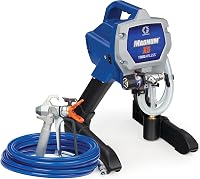
The Graco Magnum Project Painter Plus is an airless option for household projects up to 5 gallons. Its flexible suction tube draws paint from a 1- or 5-gallon bucket, and Graco says it supports up to 50 ft of hose.
Consider this type if you want to work from a paint bucket and have a substantial project. Skip it for a quick touch-up where setting up and cleaning an airless sprayer would outweigh the area you need to cover.
When is a paint sprayer not worth it?
A sprayer may not be worth the extra work for small, isolated, or highly interrupted jobs. Brushing or rolling can be easier when the surface is small, there are many obstacles, or you need to avoid masking a large area.
Think through these cases before choosing:
- One small wall or repair: a roller or brush can keep setup short.
- A furnished room: moving and covering items can take substantial time.
- Many corners and trim edges: a brush may still be needed for detail work.
- A one-off project: cleaning and storing equipment can erase the convenience.
- A windy outdoor job: overspray can drift onto nearby surfaces.
A sprayer also takes practice. Make a test pass on a scrap surface, use the paint maker's application instructions, and keep a steady distance and pace.
Don't spray when conditions make it hard to control where paint lands.
If the main concern is the learning curve, see whether paint sprayers are easy to use for a first timer. The answer depends on the sprayer, the coating, and how much time you can spend practicing and preparing.
Which type of sprayer fits the job?
Choose an airless sprayer for larger areas and an HVLP sprayer for smaller or more detailed work. The right fit depends on the surface, coating, and amount of setup you're willing to do.
An airless sprayer can suit broad surfaces such as fences, sheds, and walls. The Graco above is one option for bucket-fed work.
The VEVOR 750W Stand Airless is another airless option; it has a stand, adjustable speed, and a detachable pump body for cleaning.
Consider the VEVOR if you want an airless sprayer with a stand and extension pole for high or ground-level work. Its listed hose length is 7.6 m, so plan your work area around the sprayer and hose.
HVLP sprayers can suit furniture, cabinets, and trim where a smaller nozzle and adjustable pattern help with detail. The Wagner FLEXiO 595 includes an iSpray nozzle for larger surfaces and a Detail Finish nozzle for smaller projects such as furniture and cabinets.
Choose the Wagner if you want one sprayer with separate nozzles for broad coverage and detail work. If your main project is cabinets, compare HVLP versus airless for cabinets before deciding.
How much does preparation affect the value?
Preparation can determine whether spraying is worthwhile, because the surface and nearby items need protection from overspray. Make a realistic list of what you must cover and move before you count on saving time.
For an indoor room, remove or cover furniture, protect floors, and mask windows, trim, outlets, and fixtures. Read the paint and sprayer instructions for ventilation and protective equipment.
Keep children and pets out of the work area.
For an outdoor job, check the wind and cover surfaces that should stay clean. Avoid spraying when paint could drift onto cars, neighbors' property, or plants.
Prep also affects the finish. Clean and repair the surface, then use the paint maker's instructions for thinning, if any, and application conditions.
Don't thin paint just because a sprayer is involved; some sprayers can handle certain paints unthinned, while the correct approach depends on the equipment and coating.
Does a sprayer save paint?
A sprayer does not guarantee lower paint use. Overspray, surface texture, and technique all affect how much paint reaches the surface.
Keep the gun moving at a steady pace and overlap passes as directed by the sprayer's instructions. Use appropriate pressure and nozzle settings, and protect surrounding areas before starting.
For a project estimate, use the paint can's coverage guidance and account for the surface condition and number of coats. Our paint sprayer coverage per gallon guide explains what affects coverage.
How should you compare total effort?
Compare the time for the entire job, including prep and cleanup, against the time for brushing or rolling. A sprayer has a stronger case when you can cover a lot of surface in one setup.
Use this quick check:
- Measure or estimate the area and number of items.
- List nearby surfaces that need masking or covering.
- Check the sprayer's setup and cleaning instructions.
- Decide whether you can practice before starting the visible surface.
- Compare the full process with the brush or roller option.
If spraying means many hours of masking for a small room, a roller may be the better fit. If a fence or several rooms need coating, the faster application may make the equipment worthwhile.
Is a paint sprayer worth it for homeowners?
A paint sprayer is worth considering when the project is large, repeated, or detail-focused enough to repay setup and cleanup. For small jobs, furnished rooms, or quick fixes, brushing or rolling is often the more direct route.
Choose the Graco for bucket-fed airless work on household projects, the VEVOR for a stand airless setup with an extension pole, or the Wagner for two nozzles that cover broad surfaces and smaller finish work. Compare more options in best paint sprayers for home use and DIY projects.
Pick the tool that fits the surfaces you need to coat and the preparation you can manage. A good estimate of the full job is the best way to decide whether the speed of spraying is worth it.
Frequently asked questions
Is a paint sprayer worth it for one room?
It depends on the room and what you're painting. A sprayer can cover broad, open surfaces quickly, but masking floors, windows, trim, and furniture takes time.
For a small room with few obstacles, a roller may be simpler; for a mostly empty room or several rooms, spraying may save work.
Is a paint sprayer faster than a roller?
A sprayer applies paint quickly, especially over large surfaces, but total job time includes setup, masking, and cleanup. A roller can be faster overall for a small area or a room with many edges and furnishings.
Compare the whole job, not just the time spent applying paint.
Do paint sprayers use more paint than rollers?
They can use more paint when overspray misses the surface, especially outdoors or in windy conditions. Careful masking, a steady spray pattern, and suitable pressure help control waste.
Check the coating instructions and plan extra protection around nearby surfaces.
What projects are worth using a paint sprayer for?
Sprayers often make sense for fences, siding, decks, cabinets, furniture, and multiple rooms, where broad coverage or a consistent finish matters. They are less compelling for a small patch or a short wall with many obstacles.
Match the sprayer type to the surface and coating.