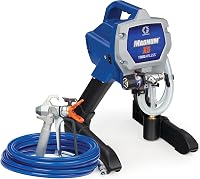
Are Paint Sprayers Easy to Use for a First Timer?
Paint sprayers can be easy to use after a little practice, but setup, masking, and cleanup take time. Start on scrap material, keep the gun moving, and use a sprayer that suits the size of your job.
On this page (7 sections)
- Are paint sprayers easy to use for a first timer?
- What makes a paint sprayer easier or harder to use?
- Which sprayer features can help a beginner?
- How can you avoid a messy first project?
- What should you expect from setup and cleanup?
- Should a beginner use a paint sprayer or a brush?
- Are paint sprayers easy to use for your project?
Paint sprayers can be easy to use after a little practice, but setup, masking, and cleanup take time. Start on scrap material, keep the gun moving, and choose a sprayer suited to your job.
Spraying can save time on broad or detailed surfaces, yet it takes a steady hand and a clear work area. For a small job, the prep can take longer than brushing or rolling.
Are paint sprayers easy to use for a first timer?
Yes, many first timers can learn the basic motion quickly, but an even finish takes practice. The hardest parts are controlling the spray, covering nearby surfaces, and cleaning the equipment when you're done.
Before choosing a tool, review paint sprayer types and what each one is suited to. Your job size and surface shape matter more than the idea that one kind is always easiest.
What should beginners practice first?
Practice on scrap cardboard or another suitable surface before spraying anything you want to keep. Follow the tool and paint instructions for distance, setup, and safety equipment.
Move the sprayer smoothly across the surface, and start moving before you pull the trigger. Release the trigger before you stop moving at the end of a pass.
Use overlapping strokes to cover gaps, but avoid holding the spray in one spot. If paint starts to build up or run, adjust your pace or distance and practice again.
What makes a paint sprayer easier or harder to use?
The job, the amount of masking, and the sprayer's setup all affect how easy it feels. A simple piece of furniture may be manageable; a furnished room can take considerable preparation.
An adjustable sprayer gives you settings to learn, which can help match the pattern and flow to the surface. It also means you should read the instructions and practice before working on the finished project.
Is spraying easier than rolling walls?
Spraying can cover open wall areas quickly, while rolling usually requires less masking and equipment cleanup. If a room has furniture, windows, floors, and trim to protect, the extra preparation may outweigh the speed of spraying.
Compare the tradeoffs in spraying versus rolling interior walls. For a mostly empty room, a sprayer may suit the job; for a small space with many obstacles, a roller may be simpler.
Which sprayer features can help a beginner?
A manageable setup and controls you can understand matter more than a long feature list. Consider the project size, the surfaces you need to coat, and how much cleaning the process requires.
For small household projects, the Graco TrueCoat 360 Single Speed is described for jobs up to 2 gallons and uses a FlexLiner system. Graco says it can spray paint or stain unthinned.
The Wagner FLEXiO 595 has an iSpray nozzle for larger surfaces and a Detail Finish nozzle for smaller projects. Its controls include 9 speed settings, variable paint flow, and adjustable spray width and pattern.
The ScotchBlue Easy Clean Paint Sprayer is aimed at small projects such as furniture, cabinets, and trim. It requires a 6-gallon or larger air compressor, which is not included, and its disposable components are designed for quick cleanup.
How can you avoid a messy first project?
Mask nearby surfaces and practice the spray pattern before painting. Overspray can reach areas beyond the piece you're coating, so clear the workspace and protect floors, windows, furniture, and plants.
Work in a well-ventilated area and follow the instructions for your paint and sprayer. Keep other people and pets away from the work area until it is safe to return.
Plan where you'll set the sprayer down between passes. A stable, protected spot can keep wet paint off the floor and help you avoid dragging a hose across the work.
What should you expect from setup and cleanup?
Allow time to prepare and clean the sprayer, because those steps are part of the job. Read the sprayer's instructions before filling it, and follow the paint manufacturer's guidance for any preparation.
After spraying, clean the parts as directed for the paint you used. Dried paint can make later setup harder, so don't leave cleanup until the next day unless the instructions allow it.
If you're considering an airless model, learn how to prime an airless paint sprayer before starting. After the project, follow how to clean an airless sprayer for the cleanup steps.
Should a beginner use a paint sprayer or a brush?
Choose a sprayer when its speed or coverage suits the job and you're ready to mask and clean up. Choose a brush or roller when the area is small, nearby surfaces are hard to protect, or you want a simpler setup.
For a first project, pick an easy-to-reach surface with plenty of room to practice. If you want a tool matched to entry-level jobs, compare paint sprayers for beginners.
Are paint sprayers easy to use for your project?
Paint sprayers are easier to learn when you start with a manageable surface, practice first, and plan for masking and cleanup. Pick the Graco for small DIY projects up to 2 gallons, the Wagner when its two nozzles fit both broad and fine work, or the ScotchBlue if you have the required compressor and want disposable components for cleanup.
See paint sprayers for home use to compare options for common DIY projects.
Frequently asked questions
Are paint sprayers hard for beginners?
Paint sprayers have a learning curve, but a beginner can get comfortable by reading the instructions and practicing on scrap material. Keep the gun moving at a steady pace, use overlapping passes, and adjust your distance and speed until the finish looks even.
Masking and cleanup also take time.
Is spraying easier than rolling?
Spraying can cover shaped surfaces and broad areas quickly, while rolling usually needs less masking and cleanup. The easier method depends on the job: a mostly empty room may suit a sprayer, while a small room with lots of furniture and trim may be simpler to roll.
What should a beginner practice first?
Practice on a large piece of scrap cardboard or another suitable surface before painting the project. Try steady passes, keep the sprayer moving before and after each pass, and adjust your pace to avoid heavy spots.
Follow the sprayer and paint instructions for distance and setup.
Do paint sprayers make a mess?
They can spread fine overspray beyond the surface, especially outdoors or in a room that isn't masked well. Cover nearby floors, furniture, windows, and plants, and follow the paint and sprayer instructions for ventilation and protective equipment.
Test the spray pattern on scrap before starting.