How to Thin Primer for a Paint Sprayer
Thin primer only as far as the primer maker allows, adding water a little at a time and stirring well. Most latex primers need just a splash to spray cleanly in an airless unit, and many spray fine with no thinning at all.
On this page (9 sections)
- Does primer need thinning for a paint sprayer?
- What does the primer label say about thinning?
- How do you thin primer step by step?
- What consistency should thinned primer have?
- How do you run a test spray before coating the wall?
- Which sprayer settings matter when spraying thinned primer?
- What goes wrong when primer is thinned too much?
- How does primer thinning differ from thinning paint?
- Which sprayer should you choose for a primer job?
Thinning primer for a paint sprayer comes down to one rule: follow the primer maker's thinning limit and add liquid slowly. Most water-based primers spray well with a small splash of water, and some need none at all.
Airless sprayers push thick coatings hard, so a primer that looks too stiff in the bucket often sprays fine once the pump is at full pressure. Thin only when the test pattern tells you to.
Does primer need thinning for a paint sprayer?
Often it does not. Most latex and acrylic primers are made to spray, and many airless units handle them straight from the can at high pressure.
Graco says its Magnum sprayers can spray paint and stain unthinned at any pressure. That matters here, because it means you should test first and thin second.
A primer that sprays cleanly at full pressure needs no water at all.
Thin when the spray pattern shows problems. A primer that leaves heavy texture, spits, or makes the pump labor is telling you it needs help.
The fix is a small amount of liquid and a stir, not a big pour.
Oil-based primers are the exception. They take the solvent named on the can, never water.
Water in an oil primer ruins the batch.
What does the primer label say about thinning?
The label is the authority, not a forum post. Read the thinning section before you open the can and note the maximum amount the maker allows.
Most water-based primers list a water percentage, often in the range of half a pint to a quart per gallon. Some list none, which means spray them as they are.
Stay inside whatever number is printed.
The label also tells you which liquid to use. Latex primers take clean water.
Shellac and oil primers take denatured alcohol or mineral spirits as the maker specifies. Mixing the wrong liquid can curdle the primer.
Write the allowed ratio on a scrap of paper and keep it near the bucket. It stops you from over-thinning batch after batch, which is the most common way a spray job goes wrong.
How do you thin primer step by step?
Pour a small amount of liquid into the primer, stir, and test the spray. Repeat in small steps until the pattern is even.
- Fill the sprayer bucket or a clean pail with the primer you plan to use.
- Add water or the named thinner in a small pour, no more than a cup per gallon to start.
- Stir for a full minute with a flat stick, scraping the bottom and sides.
- Check the consistency against the maker's description and your test board.
- Run a test spray on cardboard at the pressure you plan to use.
- Add another small pour only if the pattern still looks heavy or blotchy.
Keep the mix ratio the same for every refill so the color and texture stay consistent across the wall. A cheap mixing stick with the ratio marked on it helps.
Never thin a whole five gallon pail at once. Mix what you can spray in an hour or two, and keep the rest at can thickness for roller touch-ups.
What consistency should thinned primer have?
It should flow off the stir stick in a steady ribbon, not in gloppy clumps. Think of thick cream rather than pudding.
Aim for a primer that drips slowly and smoothly from the stick. If it pours like water, you have gone too far.
If it clings in a lump and will not run, it is still too thick for a fine finish tip.
The right consistency also depends on the tip you are using. A larger tip handles thicker primer; a smaller tip needs a thinner mix.
Match the two rather than forcing a thick primer through a fine tip.
Test on scrap board every time you mix a new batch. The board shows you the real pattern the wall will get, which the stick alone cannot.
How do you run a test spray before coating the wall?
Spray a two foot square on scrap board or cardboard at your working pressure. Look for an even fan with no heavy edges and no spitting.
Hold the gun the same distance you plan to use on the wall. Make one pass and let it flash off.
A good pattern lays down a smooth, uniform coat without runs or a pebbled texture.
If the edges of the fan look heavy or the center looks thin, the primer is too thick or the pressure is low. Raise the pressure first, since that is the setting Graco says you can adjust.
Thin only when full pressure still leaves a rough pattern.
Let the test patch dry. A coat that dries with deep texture or pinholes means the mix needs a small adjustment or the tip is too small.
Our guide to how to prime an airless paint sprayer covers the pump-side checks before you blame the primer.
Which sprayer settings matter when spraying thinned primer?
Set pressure near the top of the sprayer's range and pick a tip that suits primer. Thinned primer flows more easily, so a smaller tip can work than you would use for unthinned material.
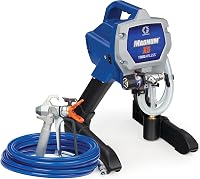
The Graco Magnum X5 has fully adjustable pressure control, so you can tune the flow to the mix in the bucket. It is rated for projects up to 10 gallons and can pull straight from a 1 or 5 gallon pail through its flexible suction tube.
That makes it a sensible match for a room or two of primer.
The X7 Cart adds a cart frame and the same adjustable pressure, plus a RAC IV SwitchTip you can reverse when it clogs. Graco rates it for up to 125 gallons a year and says it supports up to 100 ft of hose for multi story work.
It suits a whole-house primer job better than a single room.
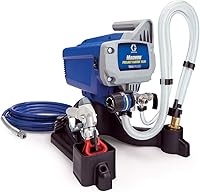
The Project Painter Plus weighs 15 pounds and is rated for projects up to 5 gallons. Its adjustable pressure lets you spray primer unthinned at any pressure, and it also draws from a 1 or 5 gallon bucket.
Pick it for a small primer job where you want to move the unit by hand.
Whichever unit you use, keep the pressure high enough that the fan stays crisp. Thinning primer and then dropping the pressure usually brings the blotchy pattern straight back.
What goes wrong when primer is thinned too much?
Over-thinned primer loses the solids that seal and hide the surface. You get thin coats, visible texture underneath, and more coats needed to cover.
Other signs include runs and sags on vertical walls, a watery spray that mists everywhere, and poor adhesion on bare wood or patched drywall. Water-based primer that is too thin can also raise the grain on raw wood.
The fix is simple: stop adding liquid. Add unthinned primer to the bucket to bring the mix back toward can thickness.
Stir well and retest.
If the whole batch is already watery, use it on a rough surface where coverage matters less, or let it settle and pour off some of the watery top. Do not try to rescue it with more thinner.
How does primer thinning differ from thinning paint?
Primer usually needs less thinning than topcoat paint because it is designed to build film and seal. Topcoat paint often takes more water to flow out to a smooth finish.
Primer's job is hiding and sealing, so solids matter more. The water to paint ratio for paint sprayer guide covers the topcoat side in detail.
Use it for the paint you spray over the primer, not for the primer itself.
The kind of paint for sprayer matters too. A paint formulated for spraying flows better out of the gun and needs less adjustment.
A primer that is already spray-ready saves you the mixing step entirely.
If you are new to spraying, read the guide to a paint sprayer for beginners before you start. Primer is a good first project because small mistakes hide under the topcoat.
Which sprayer should you choose for a primer job?
Pick the Magnum X5 for most primer jobs and the X7 Cart for a whole house. The Project Painter Plus is the choice for a single room or a small exterior touch-up.
Our score weighs specs, features and fit with the job, based on published specifications and manufacturer details. The X5 earns 9.2 because adjustable pressure and bucket draw cover the thinning decisions you will actually face.
The X7 Cart scores 9 for its cart, hose reach and yearly capacity. The Project Painter Plus scores 8.9 for light weight and small-job capacity.
For the full picture of how to thin primer for paint sprayer work, keep the ratio written down and test every batch. A steady mix gives an even coat and a topcoat that goes on without surprises.
Check the primer label once more before you thin anything. If it lists no water allowance, spray it as it is and let pressure do the work.
Frequently asked questions
Can you thin primer with water for an airless sprayer?
Yes, water-based primers can take a small amount of clean water when the maker's label allows it. Add it in small pours, stir thoroughly, and stop as soon as the primer flows freely.
Oil-based primers need the thinner named on the can, never water.
How do I know if my primer is too thick to spray?
A thick primer pulls into strings or blobs from the tip, leaves a heavy orange-peel texture, or makes the pump strain. Test on scrap board first.
If the pattern stays blotchy after two passes with pressure near the maker's maximum, thin in small steps and retest.
Does thinning primer weaken its coverage?
Adding too much water or thinner reduces the solids that seal and hide the surface, so coverage drops and you may need extra coats. Stay within the maker's thinning limit and keep the mix consistent between batches.
A light thinning within the label's range usually keeps sealing performance intact.
Should I thin primer for a roller or brush instead?
No. Rollers and brushes handle primer at full can thickness, and thinning it there only makes runs and drips more likely.
Thin only the batch headed for the sprayer, and keep a separate unthinned container for touch-ups.
How much primer should I mix at once?
Mix only what you can spray in about an hour or two so the batch stays consistent. Stir before every refill and keep a written note of the ratio that worked.
That way a second gallon matches the first and the finish stays even.