Spraying vs Rolling Interior Walls: Which Is Better? (November 2026)
Rolling is usually simpler for one room, while spraying can cover a larger, well-protected area faster. For spraying vs rolling interior walls, weigh masking and cleanup against the time you can save across several rooms.
On this page (7 sections)
- Spraying vs rolling interior walls: which is faster?
- Which method gives a smoother wall finish?
- How much preparation does each method need?
- Is an electric roller a good middle ground?
- Which method works better on textured walls?
- How should you choose paint and tools?
- Spraying vs rolling interior walls: which should you choose?
Rolling is usually simpler for one room, while spraying can cover a larger, well-protected area faster. For spraying vs rolling interior walls, count both application time and the work needed to protect the room.
A roller applies paint directly to the wall and keeps the work focused on the surface. A sprayer can move quickly across broad, open areas, but paint can travel beyond the wall, so masking and cleanup take real time.
If you're deciding between a powered sprayer and a manual roller, there is a middle option too: an electric roller that feeds paint from a container. The right choice depends on room size, furnishings, wall texture and how much setup you can do.

 Best for large areas without spraying
Wagner PowerFlow EZ Electric Roller
Spraying vs rolling interior walls: which is faster?
Spraying can be faster across several open rooms; rolling often wins for a single furnished room. Compare the full job, including moving furniture, covering surfaces, setup and cleanup.
A sprayer sends paint through a tip in a fan pattern. You move the gun across the wall in steady passes, keeping it at a consistent distance and overlapping each pass.
That can cover broad areas quickly, especially when rooms are empty and adjacent surfaces are already protected. Time savings shrink when you must carefully mask floors, trim, outlets, windows and furniture.
A roller works at a slower pace over each section, but it needs less room preparation. You can roll around obstacles and stop to move items without covering the whole space in plastic.
Does a sprayer save time in one room?
It might, if the room is empty and the masking work is manageable. If furniture, flooring and trim need extensive protection, the preparation may take longer than rolling.
The same applies to cleanup. Sprayers need paint removed from the equipment after use, while a roller and tray are simpler to wash or dispose of according to the paint instructions.
For a wall-by-wall comparison of sprayer choices, see our guide to paint sprayers for interior walls. It can help you decide whether spray application suits your room and project size.
Which method gives a smoother wall finish?
Both methods can leave an even finish when the wall is prepared and paint is applied consistently. A sprayer avoids roller texture, while a roller gives you direct contact with the surface.
Spray results depend on steady movement, consistent distance and overlapping passes. Moving too slowly can leave heavy areas; moving too quickly can leave thin coverage.
Rolling has a different risk: a heavy hand or uneven loading can leave lap marks or visible roller texture. Use the nap recommended for the surface, keep a wet edge and spread paint evenly instead of pressing hard.
A sprayer may be useful when you want to avoid roller stipple on a smooth wall. It does not hide dents, ridges or poor patching, so inspect the surface under good light and fix flaws before either method.
Should you back roll after spraying?
Back rolling can help work sprayed paint into a wall, but it adds a rolling step. Whether it makes sense depends on the wall surface and paint directions.
The process means rolling over the fresh spray coat before it dries. Keep the roller lightly loaded and work in a consistent pattern so you don't create a second set of marks.
Don't assume every wall needs this step. Check the paint maker's instructions and consider a test patch if the finish or wall texture is unfamiliar.
How much preparation does each method need?
Spraying needs more protection against overspray; rolling needs less room-wide masking. Whichever method you choose, remove loose paint, repair holes and clean the wall as needed.
Before spraying, cover the floor, trim, outlets, windows and anything you can't move. Close doors to other rooms and consider airflow so mist doesn't drift into areas you're not painting.
A roller still needs drop cloths and tape where edges or furniture could catch drips. But you can usually protect the immediate work area instead of sealing every exposed surface in the room.
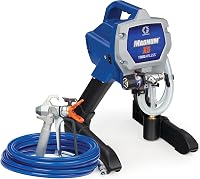
Use a product such as the Graco Magnum Project Painter Plus only if a larger spray setup fits the job. Its flexible suction tube draws from a 1 or 5 gallon bucket, and its adjustable pressure control supports spraying paint or stain unthinned.
For a smaller project, the Graco TrueCoat 360 Variable Speed is designed for projects up to 2 gallons. Its variable speed control lets you set the pace, though it still requires masking and sprayer cleanup.
Is an electric roller a good middle ground?
An electric roller suits large wall areas when you want continuous paint feed without spraying. It keeps the roller method but reduces repeated trips to a tray.
The Wagner PowerFlow EZ pulls paint directly from a 1 or 5 gallon container and feeds it to the roller through a hose. Its 16 ft hose reaches tall walls or ceilings, and it can connect to an optional extension pole.
This may help in a large room or when painting several rooms with the same color. You still roll the surface, so expect the application pace and finish characteristics of a roller rather than a spray fan.
Consider it if a traditional tray feels slow but you want to avoid the extra masking needed for spraying. For details on spray equipment and how it differs by design, read paint sprayer types and how to choose one.
Which method works better on textured walls?
A roller is often easier to control on textured walls because it presses paint onto the surface. Spraying can cover the high points quickly, but the deeper areas may need attention.
Choose a roller nap suited to the wall's texture and keep enough paint on it to reach into low spots without dripping. Work in manageable sections and inspect the wall from several angles.
If you spray, keep your passes even and check for thin areas after the coat dries. A second coat may be needed, following the paint maker's recoat instructions.
For a highly textured wall, a test area can show whether the spray pattern reaches the surface evenly. Keep the test small and use the same paint and method planned for the full room.
How should you choose paint and tools?
Choose the method first, then use paint and tools suited to the wall and application. Read the paint label and equipment manual before thinning paint or changing tips.
Spray equipment varies, and not every sprayer handles every paint the same way. The Magnum Project Painter Plus has adjustable pressure and supports unthinned paint or stain, while the TrueCoat 360 also says no thinning is required.
For rollers, use a compatible roller cover and tray or feed system. Follow the paint directions for surface preparation, application and drying time.
Our guide to spraying paint on interior walls covers the steps for a spray job, including room protection and application. If you're still weighing the broader costs and upkeep of spraying, see whether a paint sprayer is worth it for homeowners.
Spraying vs rolling interior walls: which should you choose?
Roll for one furnished room or a small touch-up; spray when several rooms are open and well protected. An electric roller can suit large areas when you want continuous feed without a spray fan.
Choose based on the whole job rather than the tool's fastest step. If masking, setup and cleanup outweigh the time saved on application, use a roller; if open wall area is large and protection is straightforward, a sprayer may fit better.
For wall spraying across a larger project, choose the Magnum for bucket-fed work up to 5 gallons. For a smaller job, consider the TrueCoat 360 up to 2 gallons; pick the Wagner electric roller when you want steady feed while keeping roller application.
Our score weighs specs, features and buyer feedback against what you're shopping for.
Frequently asked questions
Is it better to spray or roll interior walls?
Rolling is often the easier choice for one room because it needs less masking and cleanup. Spraying can be faster across multiple rooms, especially when the floor, trim, windows and furniture can be protected before work begins.
Choose based on total project time, including preparation.
Does spraying interior walls use more paint?
It can, because some spray mist may miss the wall or settle on masking. The amount depends on the sprayer, paint, technique and room setup.
Rolling transfers paint directly to the surface, so careful application can help limit waste.
Can you spray walls and roll them afterward?
Yes. Painters often spray paint onto a wall and then roll over it while it is wet, a process called back rolling.
It can help work paint into the surface, but follow the paint maker's directions and keep a wet edge to avoid uneven marks.
Should you spray or roll a room with furniture?
Rolling is usually more practical when the room contains furniture that is hard to move or cover. Spraying needs thorough protection for furniture, floors, doors and windows because airborne paint can travel beyond the wall.
Clear the room as much as possible before either method.
Which is easier for a beginner, spraying or rolling?
Rolling is generally easier to start because it needs fewer setup steps and doesn't create overspray. A sprayer can still work for a first timer, but practice on a suitable surface and follow the manual for setup, spraying and cleanup.