Paint Sprayer Coverage per Gallon: Plan Your Paint
Paint sprayer coverage per gallon varies with the coating, surface and spraying technique. Use the paint can’s stated coverage as a starting point, then allow extra for texture, overspray and practice.
On this page (6 sections)
Paint sprayer coverage per gallon varies with the coating, surface and spraying technique. Start with the coverage on the paint can, then allow for the area, number of coats, overspray and material left in the sprayer.
A gallon's coverage figure is a planning estimate, not a promise of the same result on every job. Rough siding, bare wood and textured walls can take more paint than a smooth, sealed surface.
Use the steps below to estimate the amount you need before you start. For coating compatibility and preparation, see our guide to paint that works best in a sprayer.
How do you estimate paint sprayer coverage per gallon?
Use the paint can's stated square-foot coverage as your baseline, then calculate for your measured area and planned coats. Add a reserve based on the surface and expected spray loss.
A simple starting formula is:
Gallons needed = total square feet × number of coats ÷ labeled square feet per gallon
For example, if a wall area is 400 sq ft, the paint label says one gallon covers 350 sq ft, and you plan 2 coats, the estimate is about 2.3 gallons before any adjustment for the sprayer or surface.
This formula treats the label figure as a starting point. It doesn't account for texture, primer, repairs, overspray or paint left in the hose and gun.
Measure the width and height of each surface, multiply them to get its area, and subtract large openings such as doors or windows. If you have separate surfaces or different coatings, calculate each one on its own.
Buy enough for the whole job and a small touch-up reserve. If you are unsure how much the texture or setup will change coverage, test on a small area first.
What changes how much paint a sprayer uses?
Surface condition and spray technique are the main reasons a gallon may cover less than its label estimate. The coating itself, coat thickness and equipment setup also affect how much reaches the surface.
| Factor | Why it matters |
|---|---|
| Surface texture | Porous or rough material can absorb more paint and has more area for coating to cover |
| Surface preparation | Bare, patched or uneven areas may take paint differently from a sealed surface |
| Number of coats | Every additional coat adds to the total amount needed |
| Spray control | A steady, suitable distance and overlap help keep paint on the target |
| Overspray | Wind, poor masking or spraying beyond edges can send paint away from the work |
| Equipment cleanup | Some paint remains in the sprayer, hose and gun after use |
| Coating and tip setup | The coating's instructions and the sprayer's setup affect how it applies |
A sprayer's speed does not mean it uses less paint. It can cover a large area quickly, but wasted spray and extra coats can increase the amount you need.
For a new surface, follow the paint maker's instructions for primer and coat count. Our guide to water-to-paint ratios for sprayers explains why thinning should follow the coating and sprayer instructions.
How can you reduce overspray and wasted paint?
Use controlled passes and mask nearby surfaces to keep more paint on the target. Set up in a calm, ventilated work area, and practice before spraying the finished surface.
Keep the spray gun moving at a steady pace. Overlap each pass consistently, and avoid stopping with the spray pointed at one spot, which can create a heavy patch that needs more paint to even out.
For outdoor work, check the wind and protect nearby plants, vehicles and buildings. For indoor projects, cover floors, furniture, trim and openings before spraying.
Test the spray pattern on cardboard or a scrap piece first. Adjust your distance and pace until the coating looks even, while following the sprayer's instructions for pressure and tip setup.
A sprayer may call for back-brushing or back-rolling on some surfaces or coatings. Follow the coating maker's instructions, since that extra step can change how much material the job needs.
How much paint do three sprayers need?
The sprayer doesn't determine a fixed square-foot coverage per gallon. These models are relevant when you want to draw coating from a bucket for larger jobs, but your paint quantity still depends on the surface and coat plan.
The Graco Magnum X5 is described for projects up to 10 gallons in size. That is a project-size guideline, not a claim that one gallon covers a particular area.
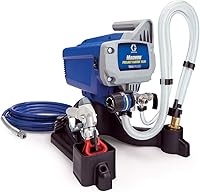
The Graco Magnum Project Painter Plus is described for projects up to 5 gallons in size. It supports up to 50 ft of paint hose, which can help you reach higher areas without moving the sprayer as often.
The Wagner Control Pro 150 HEA is designed for larger interior and exterior projects, with a 25 ft hose. The overspray figure is a maker claim, so your results will still depend on setup, conditions and technique.
Should you spray or roll if paint coverage matters?
Choose the method that suits the surface, prep work and finish you need. Spraying can help cover large or detailed areas quickly, while a roller may be simpler when masking and setup would take longer than the paint job.
Spraying often involves covering nearby areas and cleaning the equipment afterward. Rolling usually needs less masking, but can take more time around trim, corners and textured surfaces.
The paint amount depends on the same core factors with either method: the coating, surface, preparation and number of coats. Compare the full work involved in our guide to spraying vs rolling interior walls.
How should you plan paint for your next project?
Measure the surface, use the paint label as your baseline and test the setup before buying the final amount. Choose the sprayer based on project size and control features, then follow the paint and equipment instructions for preparation and application.
For room projects, our guide to spraying interior walls covers preparation and technique. If you're still choosing equipment, start with paint sprayers explained.
Frequently asked questions
How many square feet does a gallon cover with a paint sprayer?
There is no fixed square-foot figure for a gallon sprayed through a paint sprayer. Start with the coverage printed on your paint can, then account for the surface, number of coats, overspray and how much coating stays in the sprayer.
A small test on the actual surface can help refine your estimate.
Does a paint sprayer use more paint than a roller?
A sprayer can use more paint because some coating misses the target or stays in the equipment, especially when you are learning or spraying outdoors in wind. Masking, controlling the spray and using a consistent distance can limit waste.
Compare the full job setup, including back-brushing or back-rolling if needed.
Should I thin paint to get better coverage from a sprayer?
Don't thin paint just to stretch a gallon or improve coverage. Check the coating label and sprayer instructions first, since the right preparation depends on both.
Some sprayers support unthinned paint, while others may need a specific viscosity or tip setup.
How much extra paint should I buy for spraying?
Plan a modest reserve rather than relying on a universal extra percentage. The amount depends on surface texture, coat count, masking, overspray and equipment cleanup.
Estimate the labeled coverage first, divide by the coats required, then adjust after a small test using your actual surface and technique.