Why Is My Paint Sprayer Spitting?
A paint sprayer usually spits because the tip is clogged or worn, paint flow is uneven, or air is entering the system. Stop spraying, relieve pressure as directed in your manual, then check the tip, paint, filters, and connections.
On this page (8 sections)
- Why is my paint sprayer spitting?
- How can you check the tip and clear a clog?
- Could thick paint or a blocked filter cause spitting?
- Is air getting into the sprayer?
- What should you check when the spray pattern changes?
- When should you stop troubleshooting?
- How do you prevent a paint sprayer from spitting again?
- What is the fastest way to diagnose a spitting sprayer?
A paint sprayer usually spits because the tip is clogged or worn, paint flow is uneven, or air is entering the system. Stop spraying, relieve pressure as directed in your manual, then check the tip, paint, filters, and connections.
A few simple checks often narrow down the cause. Make one change at a time, test on scrap material, and follow the sprayer and paint instructions before adjusting pressure or thinning paint.
Why is my paint sprayer spitting?
Spitting usually points to interrupted paint flow or a problem at the tip. A clog, worn tip, blocked filter, loose connection, or paint that is too thick for the sprayer can all affect the pattern.
Start by noting when it happens. Spitting only at startup may differ from a pattern that breaks up throughout the job, so inspect the equipment before changing several settings at once.
If you use an airless sprayer, follow its pressure relief procedure before inspecting the tip, gun, hose, or filter. Pressurized paint can cause serious injury, so never put a hand near the spray or try to clear a tip while the system is pressurized.
How can you check the tip and clear a clog?
Inspect the tip first, since paint buildup or debris can interrupt the spray. Use the sprayer's recommended method to clear a clog, and replace the tip if cleaning doesn't restore a steady pattern.
For a reversible tip, turn it to the clearing position only as the manual directs, briefly spray into a safe container, then return it to the spraying position. Keep the gun pointed away from people and follow all pressure and spray safety steps.
The Graco TrueCoat 360 Spray Tip Kit has reversible tips for clearing clogs and includes wide and narrow patterns plus a replacement filter. It's for TrueCoat 360 models 26D280, 26D281, and 26D283.
If the pattern stays uneven after clearing, the tip may be worn or damaged. Check that the replacement matches your model and coating before spraying again.
Could thick paint or a blocked filter cause spitting?
Yes, paint that's too thick for the sprayer or a blocked filter can disrupt flow. Check the paint label and sprayer manual for compatible coatings, straining, and thinning instructions before changing the mixture.
Don't thin paint by guesswork. If the manufacturer permits thinning, follow its directions and use the water-to-paint ratio guidance for sprayers as a starting point for understanding why the right mix matters.
Check and clean filters as directed in the manual. If you aren't sure what coating your sprayer can handle, read what kind of paint works best in a sprayer before continuing.
The Wagner Control Pro 130 HEA includes a 515 tip for latex paints and a 413 tip for stains, and Wagner describes it as suitable for a range of unthinned paints and stains. Match the tip and coating to the job, and follow the sprayer manual.
Is air getting into the sprayer?
Air entering the system can make the spray pattern sputter or pulse. Check the paint level, pickup or suction tube, and hose connections using the manual's troubleshooting steps.
Make sure the suction tube is seated correctly and reaches the paint. On a sprayer that draws paint from a bucket, keep the intake submerged and check for loose fittings or damaged seals that could let air in.
If the sprayer has just been set up, it may need priming before spraying. Follow the startup steps for your model, or see how to prime an airless paint sprayer.
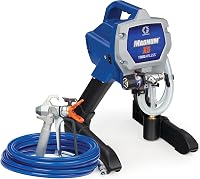
The Graco Magnum Project Painter Plus has a flexible suction tube for drawing from a 1 or 5 gallon bucket and adjustable pressure control. It supports up to 50 ft of paint hose.
What should you check when the spray pattern changes?
A sudden change often means a clog, an empty or poorly positioned intake, or a loose connection. Pause, relieve pressure as directed, and work through the checks in your manual.
Look at the pattern on scrap material after each adjustment. Keep the gun at the recommended distance and move it steadily; changing how you hold the gun can make a sound sprayer appear to spit or pulse.
If spitting continues, clean the system according to its instructions. The steps differ between sprayer types, so use the right procedure for your model; our guide to cleaning an airless sprayer after latex paint covers that process.
When should you stop troubleshooting?
Stop and contact the manufacturer or a qualified repair professional if the sprayer still spits after basic checks, or if you find a damaged hose, gun, or fitting. Don't use equipment with a leak or a part that won't lock into place.
Follow your manual for any service that involves internal parts or persistent pressure problems. Keep the model number handy so support can point you to compatible parts and the correct repair steps.
How do you prevent a paint sprayer from spitting again?
Use compatible paint, keep the intake and filters clean, and clear the tip promptly when the pattern changes. Prepare and clean the sprayer as its maker directs, and check connections before each job.
For a repeatable routine, start with the manual and use the right cleaning steps for your sprayer type. If you need help choosing a machine for a particular job, compare paint sprayers by type and use.
What is the fastest way to diagnose a spitting sprayer?
Check the tip, paint flow, filters, and air leaks in that order. Relieve pressure before touching the gun or tip, follow the manual for cleaning and priming, and test the pattern after each step.
Replace a worn tip only with a compatible one, and thin paint only when the paint and sprayer instructions call for it. A steady pattern should return before you resume the project; if it doesn't, stop and get model-specific help.
Frequently asked questions
Why is my paint sprayer spitting instead of spraying evenly?
A sprayer may spit when its tip is clogged or worn, paint flow is interrupted, a filter is blocked, or air is getting into the system. Stop and follow the manual's pressure relief steps before checking parts.
Also confirm the paint is suitable for your sprayer and prepared as its maker directs.
Can a clogged spray tip cause spitting?
Yes, paint or debris at the tip can break up the spray pattern or interrupt flow. If your tip is reversible, follow the manual's steps to clear it, then return it to the spraying position.
Don't put a finger or tool in front of a pressurized tip.
Should I thin paint if my sprayer spits?
Not automatically. First check the sprayer manual and paint label for compatibility and preparation instructions, then inspect the tip and filters.
Thin only if the paint maker and sprayer instructions allow it, using the recommended method; extra water or solvent can change how the coating applies.
When should I replace a paint sprayer tip?
Replace a tip if cleaning and the manual's clog-clearing steps don't restore a consistent pattern, or if the tip is visibly damaged. Use a tip that matches your sprayer and coating.
A reversible tip can clear some clogs, but it won't repair wear or damage.