What Kind of Paint Works Best in a Sprayer?
Water-based latex paint works in many home paint sprayers, while oil-based paints, primers and stains can also work when the sprayer supports them. Check the paint label and sprayer instructions, then strain and thin the coating only as directed.
On this page (7 sections)
Water-based latex paint works in many home paint sprayers, while oil-based paints, primers and stains can also work when the sprayer supports them. Check the paint label and sprayer instructions, then strain and thin the coating only as directed.
The best kind of paint for a sprayer depends on its viscosity, the nozzle and the surface. A coating made for walls may need different setup from one used on cabinets or furniture.
For a broad overview of tool types and jobs, start with paint sprayers explained. This guide covers common coatings, how to match them to a sprayer, and where three available models fit.
What kind of paint works best in a sprayer?
Latex paint is a common choice for home projects, especially walls, ceilings, siding and fences. It is water-based, so cleanup often uses water, but always follow the paint and sprayer instructions.
Oil-based paints can suit some trim, doors and other surfaces, but they require compatible equipment and the right cleanup solvent. Primers, stains and sealers are also options when the tool is designed to handle them.
| Coating | Common use | What to check |
|---|---|---|
| Water-based latex | Walls, ceilings, siding and fences | Sprayer capacity, paint thickness and label directions |
| Oil-based paint | Some trim, doors and furniture | Tool compatibility, ventilation and solvent cleanup |
| Primer | Preparing a surface before topcoat | Whether it matches the surface and finish coat |
| Stain or sealer | Decks, fences and other wood | Sprayer compatibility and coating directions |
These are starting points, not universal rules. Surface material, indoor or outdoor use, and the exact coating label affect the right choice.
Can you spray latex paint without thinning it?
Some sprayers can apply certain latex paints without thinning, while other setups may need adjustment. The sprayer maker’s instructions and paint label decide what is suitable.
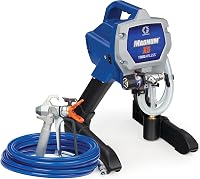
For example, the Graco Magnum Project Painter Plus has adjustable pressure and is described as able to spray paints or stains unthinned. The Wagner FLEXiO 595 is described as able to spray unthinned interior and exterior paints with its iSpray nozzle.
These statements apply to those tools and compatible coatings, not every paint.
Don’t thin paint just because someone else’s sprayer needed it. Adding water or solvent can affect coverage and the final coat, so follow the paint label and tool instructions.
For a closer look at setup, read our guide to the water-to-paint ratio for a paint sprayer.
Which sprayer suits different paint jobs?
Match the tool to the coating and surface before you pour paint into it. Airless models can suit larger household projects, while handheld HVLP models can suit smaller jobs and finer work.
The Graco Magnum Project Painter Plus is described for projects up to 5 gallons, with adjustable pressure and a suction tube that draws from a 1- or 5-gallon bucket. The Wagner FLEXiO 595 includes an iSpray nozzle for larger areas and a Detail Finish nozzle for smaller projects such as cabinets and furniture.
Use the best paint sprayers for home use guide to compare tools for different project sizes. If you’re choosing between equipment types for fine work, see HVLP vs airless for cabinets.
Does paint need to be strained before spraying?
Strain paint when the paint or sprayer instructions call for it, or when you see lumps or debris that could block the nozzle. Use a suitable paint strainer and a clean container.
Stir paint thoroughly before straining so the color and solids are mixed evenly. Don’t use paint with dried bits or contamination that remain after straining; follow the paint maker’s directions for storage and disposal.
Before starting the full project, spray a small test area or scrap surface. Check the spray pattern and flow, then adjust settings only within the tool’s instructions.
Can you spray primer and stain?
Primer and stain can work in a sprayer when both the coating and tool are compatible. Check the label for surface preparation, application and cleanup directions.
Primer helps prepare a surface for a topcoat, but the right type depends on what you are painting and the finish coat. Let it dry for the time stated on its label before applying paint.
Some sprayers also support stains. The Graco Project Painter Plus and Graco TrueCoat 360 Variable Speed are described as able to spray compatible stains unthinned, while the FLEXiO 595 is described for paints and stains.
For wood projects, see whether you can spray stain with a paint sprayer.
How should you clean a sprayer after each paint type?
Clean the sprayer as soon as the job is done, using the method suited to the coating. Dried paint can obstruct the flow path and make later cleanup harder.
Water-based paint often calls for water cleanup, while oil-based coatings may need a solvent named on the label. Follow the tool manual for flushing and handling parts, and never mix cleaning products.
Read how to clean an airless sprayer after latex paint for a latex cleanup walkthrough. If the sprayer starts spitting or the pattern breaks up, the paint sprayer spitting guide covers common checks.
How do you choose paint for a sprayer?
Choose the coating that matches the surface, then confirm the sprayer can apply it. Check the paint label and tool instructions before thinning, spraying or cleaning.
For broad household work, latex paint is a common starting point. Choose primer, oil-based paint, stain or sealer only when the label and sprayer support that pairing.
If your main need is a larger job, compare the Graco Magnum Project Painter Plus. For a handheld option with two nozzle types, consider the Wagner FLEXiO 595; for smaller projects up to 2 gallons, look at the Graco TrueCoat 360 Variable Speed.
Learn more about paint sprayer types and jobs before choosing a tool for your next coating.
Frequently asked questions
Can you use regular latex paint in a sprayer?
Many sprayers can apply latex paint, but compatibility depends on the sprayer and the paint’s thickness. Check both manuals, strain the paint if directed, and thin it only if the maker recommends it.
Test the setup on scrap material before coating the finished surface.
Does paint need to be thinned for a sprayer?
Some sprayers can spray certain paints unthinned, while others may need paint adjusted to flow properly. Follow the sprayer and paint makers’ directions rather than adding a set amount of water.
Too much thinning can change coverage and the finished coat.
Can you spray primer with a paint sprayer?
Yes, if the primer is compatible with your sprayer and the surface. Check whether it is water-based or oil-based, prepare it as directed, and apply the coat thickness recommended on its label.
Clean the sprayer promptly using the correct method for that primer.
Can you put oil-based paint in a paint sprayer?
Some sprayers can handle oil-based coatings, but confirm compatibility in the tool instructions. Use the solvent and cleanup method named by the paint maker, and follow label directions for ventilation and protective equipment.
Never switch between coatings without cleaning the sprayer as directed.