Can You Spray Stain With a Paint Sprayer?
Yes, you can spray many wood stains with a paint sprayer if the sprayer is designed for that coating and the stain is prepared as its instructions direct. Choose the tool for your project size, test the spray pattern, and protect nearby surfaces.
On this page (7 sections)
Yes, you can spray many wood stains with a paint sprayer when the tool supports that coating and you follow the stain's instructions. Choose a small HVLP stain sprayer for a fence section or furniture, or a suitable airless sprayer for a larger deck.
Spraying can cover open wood faster than brushing, but it also sends fine droplets beyond the work area. Check the stain label, prepare the surface, protect nearby items, and test your settings before spraying the whole project.
Can you spray stain with a paint sprayer?
Yes, if the sprayer and stain are compatible. Some HVLP models are made for transparent and semi-transparent stains, while some airless models can spray a wider range of paints and stains.
Stains vary in thickness and ingredients. Read the stain container and sprayer manual to confirm that the material is suitable, whether it needs preparation, and which cleanup method to use.
Don't assume every sprayer handles every stain. A tool made for light-bodied stain may not suit a thicker coating, and a paint sprayer may require a particular tip or setup.
A test on scrap wood helps you spot runs, uneven coverage, or a pattern that needs adjustment. Check the surface after it dries, since wet stain can look different from the finished color.
Which kind of sprayer works for stain?
An HVLP stain sprayer often suits smaller projects, while an airless model can make sense for broader surfaces when its instructions approve the stain. Match the tool to the project, material, and amount of setup you can manage.
A compact HVLP sprayer can offer adjustable flow and spray patterns for furniture, trim, fences, or deck sections. For more about sprayer types and how jobs differ, see paint sprayers explained.
An airless sprayer may help cover a large deck or fence with fewer pauses. It needs careful control and protection against overspray, so compare the benefits with paint sprayers for outdoor painting jobs.
Is HVLP or airless better for stain?
HVLP is a practical fit for many small staining jobs; airless can suit larger jobs when approved for the stain. Neither type is automatically right for every coating or surface.
The Wagner Control Spray QX2 is designed for transparent and semi-transparent stains and water-based lacquers. It has adjustable material flow and horizontal, vertical, and round patterns.
The Wagner Control Spray 250 is another HVLP option. Wagner says it sprays stains, lacquers, and some paints, with thinning possibly required; check the stain and sprayer instructions before use.
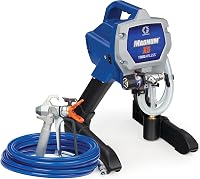
For a larger project, the Wagner Control Pro 130 HEA is an airless model with a 1.5 gallon tank and 25 ft. hose. Its included 413 tip is described as suitable for stains, while the 515 tip is intended for latex paint.
What should you check before spraying stain?
Read the stain label and sprayer manual before filling the sprayer. Confirm compatibility, preparation, application conditions, and cleanup steps for the exact stain you plan to use.
Stir the stain as directed. Don't thin it unless its manufacturer permits thinning and explains how; changing the mix without guidance can affect the result.
Inspect the wood for dust, loose finish, or dirt and prepare it as the stain manufacturer directs. A clean, dry surface helps you judge coverage and avoid spraying debris into the finish.
Mask surfaces that should stay clean, including nearby siding, windows, plants, and hardware. Outdoor airflow can carry droplets farther than expected, so cover a wider area than the visible spray pattern.
Wear the protective gear required by the stain label and sprayer manual. Keep people and pets away from the work area, and follow the label's ventilation and fire-safety directions.
How do you spray stain evenly?
Test the pattern on scrap wood first, then keep a steady pace and overlap each pass slightly. Start moving before pulling the trigger and release it before stopping to help avoid heavy spots at the ends.
Hold the sprayer at the distance recommended in its manual. Keep it square to the surface rather than swinging your arm in an arc, which can leave uneven coverage.
Use a pattern that fits the shape of the work. A horizontal or vertical fan can cover broad boards, while a round pattern may be easier to direct at narrow pieces, depending on the sprayer.
Work in manageable sections and watch for runs or puddles. Follow the stain label on whether to brush or wipe excess stain, especially on rough or grooved wood.
For a full deck workflow, see how to spray a deck with stain. If the project is a fence, how to paint a fence with a sprayer covers planning and application steps.
How can you reduce overspray outdoors?
Mask nearby surfaces and choose conditions that keep spray from drifting. Wind can carry stain away from the boards, so postpone work when the weather makes control difficult.
Use a piece of cardboard or a suitable shield near edges and gaps. Keep the spray aimed at the wood, and stop when you need to reposition masking or protect a nearby surface.
Use the lowest flow setting that gives an even pattern, then adjust gradually after a test. Too much material can cause runs and increase overspray.
Don't spray near open windows, cars, or people. Check the stain label for any temperature, humidity, or weather limits before starting.
How do you clean a sprayer after staining?
Clean the sprayer promptly using the method approved for the stain and the tool. The right cleaning fluid depends on the material, so don't assume water is suitable for every stain.
Empty leftover material according to the stain label and local disposal rules. Flush or clean the sprayer as its manual directs, including the nozzle and material passages.
For an airless model, follow the maker's priming and flushing instructions and release pressure as directed before removing parts. Our guide to how to clean an airless sprayer explains the process after latex paint; use stain-specific directions for your material.
Let parts dry and store the sprayer as its manual directs. Prompt cleanup can prevent leftover stain from drying in the nozzle or passages.
Which sprayer should you choose for your stain project?
Choose an HVLP stain sprayer for a small to medium project when its approved materials match your stain. The Wagner Control Spray QX2 is designed for transparent and semi-transparent stains, while the Control Spray 250 also supports stains and lacquers.
Choose an airless option for a larger deck or fence when the model and tip suit the stain. The Control Pro 130 HEA includes a tip intended for stain and a larger tank for longer work sessions.
Before buying, compare the sprayer's material guidance with the stain label and consider how much masking and cleanup the job needs. For more project-specific choices, see paint sprayers for fences and sheds and paint sprayers for a house exterior.
Spraying stain works best when the coating, sprayer, and surface preparation match. Pick an HVLP sprayer for smaller stain jobs, or a compatible airless model for a larger area, then test the finish before committing to the full surface.
Frequently asked questions
Can you spray stain with any paint sprayer?
No. Check that the sprayer is designed for your stain type and follow the stain and sprayer instructions.
HVLP stain sprayers suit many light-bodied stains on smaller projects, while some airless models can handle a wider range of paints and stains.
Test on scrap wood first.
Do you need to thin stain before spraying?
Not always. Whether thinning is needed depends on the stain and sprayer, so read both sets of instructions before changing the material.
Don't thin a stain unless its manufacturer allows it and gives a method; excess thinning can change coverage and the finish.
Is spraying stain faster than brushing?
It can be, especially across broad, open surfaces, but setup, masking, and cleanup add time. Some sprayer makers describe their models as faster than a brush, but actual pace depends on the material, surface, spray pattern, and operator.
Brushing may be simpler on small or detailed work.
Should you back-brush stain after spraying?
Follow the stain label for application and whether to brush or wipe excess. On rough or grooved wood, a brush can help work stain into the surface, but don't assume every stain needs back-brushing.
Test the full method on a hidden area or scrap first.