How to Use a Wagner Paint Sprayer
To use a Wagner paint sprayer, match the nozzle to the job, thin only the material the nozzle can't handle, and test the spray on scrap before you start. Then keep the gun 8–12 inches away and moving at a steady speed, and clean the nozzle and cup as soon as you stop.
On this page (10 sections)
- How do you set up a Wagner sprayer before the first coat?
- What do you need to know about thinning paint for a Wagner sprayer?
- How do you set the flow, speed and spray pattern?
- How do you hold and move the gun for an even coat?
- How do you avoid runs, splatter and uneven coverage?
- How do you clean a Wagner sprayer after use?
- Which Wagner sprayer suits which job?
- Where does spraying fit compared with a brush or roller?
- What are the safety basics when you spray?
- What's the simple routine for using a Wagner sprayer?
To use a Wagner paint sprayer, match the nozzle to the job, thin only the material the nozzle can't handle, and test the spray on scrap before you start. Then keep the gun 8–12 inches away and moving at a steady speed, and clean the nozzle and cup as soon as you stop.
Learning how to use a Wagner paint sprayer well comes down to three habits: the right nozzle, a tested spray pattern and fast cleanup. The steps below cover setup, the first test pass, spraying technique and care between projects.
How do you set up a Wagner sprayer before the first coat?
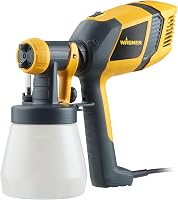
Assemble the gun, fit the right nozzle, load the cup and mask the area before any paint goes in. The iSpray nozzle is the broad-surface choice; the Detail Finish nozzle is for fine work on trim, cabinets and furniture.
Start with a clean, dry cup and check that the feed tube and nozzle seat are seated properly. Lay drop cloths wide around the work area and mask edges you don't want coated.
For exterior work, cover plants and move cars and bins well clear.
Load the cup no higher than its fill line. Screw it on firmly and give the unit a gentle shake so the material settles.
Then plug in the turbine and let it run for a moment before you pull the trigger.
What do you need to know about thinning paint for a Wagner sprayer?
Thin only when the material won't atomise cleanly. A sprayer's turbine does the atomising, and modern Wagner HVLP models handle most paints straight from the can.
Wagner says the X-Boost turbine in the FLEXiO 595 sprays unthinned interior and exterior paints and stains with the iSpray nozzle. The FLEXiO 5000 carries the same X-Boost turbine and is sold for unthinned latex and oil-based paints, primers, stains, sealers and urethanes.
The Control Spray Max's two-stage turbine is aimed at thinned latex and thinner materials like stains and poly.
Test on a scrap board first. If the paint comes out in heavy blobs or a lumpy pattern even at a high speed setting, thin it in small amounts and retest.
A viscosity cup helps you repeat the same mix for the rest of the job.
How do you set the flow, speed and spray pattern?
Set the speed dial for the material, the flow for the finish and the air cap for the direction you'll spray. These three controls do most of the work, so adjust them in that order.
- Speed: higher settings for thicker paint and lower ones for stains and sealers.
- Flow: the paint volume through the nozzle, dialled up for full coverage and down for light coats.
- Pattern: horizontal for up-and-down strokes, vertical for side-to-side, and a round pattern for edges and small areas.
The FLEXiO 595 adds 9 speed settings and a variable paint flow dial, plus changeable pattern size and direction. The FLEXiO 5000 offers variable speed control and adjustable flow, width and pattern.
The Control Spray Max uses a pressure control dial and a material flow adjuster, with a round, horizontal or vertical air cap.
How do you hold and move the gun for an even coat?
Hold the gun level 8–12 inches from the surface, start the stroke before the edge and keep your wrist locked. Speed and distance matter more than any single setting.
Move your whole arm across the surface rather than flicking your wrist. Overlap each pass by about a quarter of the spray width so no banding shows.
Trigger on before you reach the edge and release after you pass it.
Keep the gun square to the surface. Angling it or sweeping in an arc lays uneven paint and causes runs at the ends.
Two thin coats beat one heavy coat almost every time.
How do you spray a fence without soaking the wood?
Spray fences in short vertical passes down the grain and stop when the surface looks damp rather than wet. A quick second coat after the first dries beats a single flood.
Work top to bottom on each section and keep the gun moving so drips don't collect on the rails. For full steps, see how to paint a fence with a sprayer, and compare the right machines in our guide to the best paint sprayers for fences.
How do you get a fine finish on cabinets and trim?
Switch to the Detail Finish nozzle, lower the flow and spray light coats from a steady distance. Sand between coats once dry for the smoothest result.
A lower volume setting helps on vertical cabinet faces where runs form quickly. Let each coat flash off before the next, and keep the gun moving past the edges rather than pausing.
How do you avoid runs, splatter and uneven coverage?
Runs come from too much material too close; splatter comes from a clogged or partly dry nozzle. Fix the cause rather than spraying harder over the top.
- Runs: increase distance, lower the flow or slow down less. Never try to spread a run with the gun.
- Splatter: stop, clear the nozzle and flush the feed tube. Paint sitting in the cup is the usual culprit.
- Dry, grainy finish: you're too far away or moving too fast. Move closer and overlap more.
- Uneven pattern: the air cap may be set for the wrong direction. Turn it to match your stroke.
Wipe the nozzle tip with a damp cloth when the pattern starts to look ragged. A quick stop and clear costs less time than sanding a ruined panel.
How do you clean a Wagner sprayer after use?
Flush the gun and cup with water or the maker's solvent before the paint dries, then dry every part. Dried latex is the hardest thing to remove from a nozzle.
Take the cup off and empty leftover paint back into its can or a sealable container. Fill the cup with warm soapy water for latex or the recommended solvent for oil-based finishes and run the sprayer into a bucket until the flow runs clear.
Use the cleaning kit and cup liners where your model includes them.
Wipe the nozzle and air cap with a soft brush and clear the feed tube. Don't poke wire through the nozzle holes.
Reassemble dry and store the unit somewhere clean and dry. The FLEXiO 595 uses Lock-N-Go to separate the gun from the turbine, which makes rinsing faster.
Wagner offers this and the FLEXiO 5000 with cup liners, so the liner lifts out for cleaning.
Which Wagner sprayer suits which job?
The FLEXiO 595 is the easiest choice for most home projects, the FLEXiO 5000 suits long painting sessions and the Control Spray Max is the light-finishing option. Pick by the surfaces you'll cover most.
The 595's 1.5 qt tank and 9 speed settings cover walls, ceilings, fences and siding in one unit. If you'll be spraying for hours, the 5000's base sits on the ground and only the gun travels with you.
The Control Spray Max's 20 ft hose gives you extra reach on a deck or along a fence line.
Where does spraying fit compared with a brush or roller?
A sprayer wins on large flat areas and detailed work where finish matters, while a brush and roller still suit small repairs and tight spots. Wagner says the FLEXiO 595 sprays 10X faster than a brush and can cover an 8 x 10 wall in 5 minutes; the FLEXiO 5000's description makes the same 12X claim for its coverage.
Both are maker claims, but the time saving on big surfaces is real for most people.
Overspray is the main trade-off. Masking and moving things takes longer than the spraying itself on small jobs.
For furniture, cabinets and fences, spraying gives a smoother finish than a roller. For touch-ups and edges, keep a brush handy.
If you're still deciding which machine fits your house and projects, compare the paint sprayers for home use. A step up to a compressed-air gun is a different routine; our guide to how to use an air paint sprayer covers it.
What are the safety basics when you spray?
Mask or ventilate the area, wear eye and breathing protection and keep the cord and outlet clear. Spraying puts fine particles in the air even with low-pressure HVLP.
Wear safety glasses and a suitable respirator when spraying paints, stains or sealers. Open windows and doors for interior work and keep children and pets out until the finish is dry.
Keep the turbine and cord away from wet surfaces and puddles.
Don't point the gun at people or pets. Read the paint's own label for ventilation and drying times.
A calm day for exterior work and a well-ventilated room indoors keep the air clear.
What's the simple routine for using a Wagner sprayer?
Here's how to use a Wagner paint sprayer well: fit the right nozzle, test the pattern on scrap, keep the gun moving at a steady 8–12 inches and flush the gun as soon as you stop. Do those four things and most of the usual problems never start.
For a large surface, choose the iSpray nozzle and work in overlapping passes. For fine work, switch to the Detail Finish nozzle and lower the flow.
When the job's done, clean before the paint dries and store the unit ready for next time. For paint choice and coverage on big exterior jobs, our outdoor painting guides are the place to start.
Frequently asked questions
Do I have to thin paint before spraying it in a Wagner HVLP sprayer?
Not with the X-Boost turbines in the FLEXiO 595 and 5000. Wagner says those models spray unthinned interior and exterior paints and stains with the iSpray nozzle, and the FLEXiO 5000 is also sold for unthinned latex and oil-based paints, primers, sealers and urethanes.
The Control Spray Max's two-stage turbine is built for thinned latex and thinner materials like stains and poly, so follow its thinning guidance.
How far should the spray gun be from the wall?
Start about 8 to 12 inches away and keep that distance steady across the whole stroke. Moving closer loads paint and can cause runs; pulling farther away leaves a dry, grainy coat.
Adjust the flow control rather than your arm when the coat looks wrong.
Which nozzle should I use for a fence or a set of cabinets?
Use the iSpray nozzle for broad surfaces like fences, siding and walls. Switch to the Detail Finish nozzle for cabinets, trim and furniture where you want a smooth fine finish.
The nozzle changes the pattern and the volume, so set your flow again after swapping.
How long can paint sit in the cup between coats?
Keep it short. Leftover latex dries at the nozzle and in the feed tube, and a partly dry cup is the usual cause of spitting and splatter.
When you stop for more than a short break, empty the cup and flush the gun rather than letting paint sit.
Can I spray outside on a windy day?
Wait for calm air. Wind blows overspray onto cars, plants and neighbours' property and makes the finish uneven on the surface itself.
If you must work near the house, shield the area with drop cloths and spray with the wind at your back.