How to Use an Avanti Airless Paint Sprayer
Prime the pump, strain the paint, and test the spray on cardboard before you touch the wall. Thin the paint only as far as the tip chart says, keep the gun moving at a steady distance, and flush the hose with water or solvent the same day.
On this page (8 sections)
- How do you set up an Avanti airless paint sprayer before spraying?
- How do you prime an airless sprayer and get paint flowing?
- Should you thin the paint, and how much?
- How do you test the spray pattern and set the pressure?
- How do you spray an even coat without lap marks?
- How do you clean an Avanti airless sprayer after use?
- What are the most common mistakes to avoid?
- Which sprayer and setup should you choose?
To use an Avanti airless paint sprayer, prime the pump first, then strain and thin the paint, test the fan on cardboard, and spray with a steady wrist at a fixed distance. Flush the hose and gun with water or solvent before you stop for the day.
The steps below show how to use an Avanti airless paint sprayer on fences, decks and walls without clogging the tip or leaving lap marks.
An airless sprayer pushes paint at high pressure through a small tip instead of mixing it with air. That's why the setup matters more than the spraying: most problems come from air in the line, thick paint or the wrong tip, not from the gun hand.
How do you set up an Avanti airless paint sprayer before spraying?
Place the unit on level ground, fit the tip and guard, and check the hose for kinks before you add paint. A sprayer that tips or rolls mid-job loses prime and sprays unevenly.
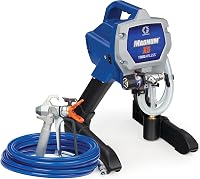
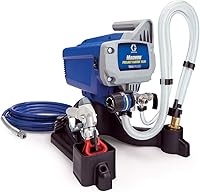
Park a cart model on flat ground and lock the wheels so the hose doesn't drag it. Stand models sit closer to the ground and take up less space on a deck.
Run the hose out straight, with no sharp bends, and keep it away from where you'll walk.
Fit the tip and tip guard and tighten them by hand. A loose tip leaks and sprays a crooked fan.
Check the inlet filter and the gun filter are clean and seated, and keep a spare tip and seals nearby for the first job.
Keep an extension cord rated for the motor's load, and plug into a grounded outlet. Don't run the sprayer on a long, thin cord; the motor can cut out under load.
Set up a test board of cardboard or scrap plywood where you'll spray.
How do you prime an airless sprayer and get paint flowing?
Put the suction tube in the paint, switch to prime, and run the pump until paint returns through the bypass hose with no air. Priming pushes air out of the pump and hose so the gun sprays a solid fan instead of spitting.
Stir the paint thoroughly first. Fill a clean bucket at least a third full so the tube stays submerged, and set the pressure low while priming.
Open the prime valve and let the pump cycle until the return flow is steady and free of bubbles.
Close the prime valve and pull the trigger into a waste bucket until paint flows smoothly. If the pump labors or the flow stops, check the tube isn't resting on the bucket floor and the inlet filter isn't clogged.
Our walkthrough of how to prime an airless paint sprayer covers the valve positions in more detail.
Wipe up drips as you go. Fresh paint on a deck board is easy to remove; dried paint is not.
Should you thin the paint, and how much?
Thin only as far as the paint maker and tip chart allow, and strain the paint before it goes in the bucket. Most modern wall paints spray straight from the can with the right tip.
Check the tip chart that came with the sprayer for the paint type you're using. Water-based paints for walls and fences usually need a larger tip than stains or sealers.
If the fan looks stringy or the pump strains, a small amount of water or the maker's thinner can help.
Strain paint through a mesh filter into a clean bucket. Lumps and skin from an opened can clog the tip, and a clog means stopping to pull and clean it.
Stir again after thinning so the consistency is even top to bottom.
Don't over-thin to make spraying easier. Too-thin paint runs, needs more coats and covers less.
Keep a note of how much you added so the next batch matches.
How do you test the spray pattern and set the pressure?
Spray a strip on cardboard and adjust pressure until the fan is even and the edges are sharp. This test takes a minute and saves a re-coat.
Hold the gun 12 in from the test board. Start at low pressure and raise it in small steps.
Too little pressure gives a fan with heavy center and ragged edges; too much pressure gives fog and bounce-back.
Once the fan looks right, stop. Extra pressure doesn't improve coverage; it just throws more paint into the air.
Lock the pressure setting so it doesn't creep while you work.
Check for spitting or a split fan. A split fan usually means a worn or partly clogged tip.
Swap in a new tip and test again before you start on the surface.
Which VEVOR sprayer suits a first exterior job?
The VEVOR 650W Cart Airless suits homeowners taking on a fence or a few walls. Its 650W motor delivers 3000 PSI and a 0.31 GPM flow, with a 15.24 m hose and a wheeled base that moves around a yard.
The included extension rod reaches high and low surfaces without a ladder for every pass. It draws from 1 to 5-gallon buckets, which suits a fence job where you move along the run.
Skip it if you're spraying a whole house exterior in one go. For a wider look at home machines, see our guide to the best paint sprayer for home use.
Which VEVOR model covers large areas faster?
The VEVOR 950W Cart Airless moves more paint per minute than the 650W, so it covers a long fence or a big wall with fewer refills. Its 950W motor reaches 3000 PSI with a 2.0 LPM maximum flow.
The wheeled cart and extension pole help on long runs and high gables. The adjustable motor speed lets you turn down flow when you want to save paint.
This is the pick when area is the problem; if your job is one fence and a shed, the extra flow mostly means faster work, not better work. Compare fence-specific options in our guide to the best paint sprayer for fences.
When is the lighter VEVOR stand model the better fit?
The VEVOR 750W Stand Airless weighs 19.6 lb, so it's easier to carry up steps and around a house than a cart unit. Its 750W motor reaches 3000 PSI with a 1.2 LPM flow and a 7.6 m hose.
The smaller footprint and lighter weight suit interior walls, furniture and fences where you move room to room or gate to gate. The extension pole saves bending and climbing.
The 7.6 m hose is shorter than the cart models' 15.24 m, so plan where you place the unit. For the house itself, our guide to how to use an airless paint sprayer exterior covers siding and trim.
How do you spray an even coat without lap marks?
Keep the gun at a fixed distance, move at a steady speed and overlap each pass by about half. Uneven distance and speed are what cause streaks and heavy patches.
Spray with your arm, not your wrist, and keep the gun square to the surface. Start moving before you pull the trigger and release after you pass the edge.
Overlap each pass by half a fan width so the coats blend.
Work in a smooth line from top to bottom on walls and along the run on fences. Don't arc the gun at the ends of a pass; that leaves a heavier band.
On fences, spray both sides and the edges before the face.
Watch for runs on vertical surfaces. If paint starts to sag, you're moving too slowly or holding too close.
Keep a wet edge and don't stop in the middle of a board.
How do you clean an Avanti airless sprayer after use?
Flush water or the right solvent through the pump, hose and gun as soon as you finish, then clean the tip and filters. Paint left to dry in the line blocks it and can damage the pump.
Take the suction tube out of the paint and put it in a bucket of clean water for water-based paint, or the maker's solvent for oil-based. Switch to prime and run the pump until the return runs clear.
Then spray through the gun into a waste bucket until clean liquid comes out.
Remove the tip and guard and clean them with the brush, and rinse the filters. Store the hose straight or loosely coiled, not kinked.
Check the manual for any storage oil for the pump. Keep the tip and seals in a labeled bag so the next job starts with clean parts.
What are the most common mistakes to avoid?
Most bad finishes come from skipping the test spray, spraying too fast or leaving paint in the machine. A few habits prevent nearly all of them.
- Starting on the wall without a cardboard test.
- Over-thinning paint to make it spray "easier".
- Holding the gun too close and leaving heavy bands.
- Stopping mid-board and leaving a lap mark.
- Leaving paint in the hose overnight.
Wear eye protection and a respirator, and keep pets and kids out of the spray zone. Spray on a calm day; wind blows overspray onto cars and windows.
Mask windows, doors and plants you want to protect.
Which sprayer and setup should you choose?
Pick the VEVOR 650W Cart Airless for a fence or a few exterior walls. Pick the VEVOR 950W Cart Airless for long runs and large areas where flow saves time.
Pick the VEVOR 750W Stand Airless when you need to carry the unit between rooms or jobs. The steps for how to use an Avanti airless paint sprayer stay the same whichever one you run.
The setup does the heavy lifting: prime fully, strain the paint, test the fan and keep the gun moving. Do those four things and the finish looks like it came from a roller, without the time.
Frequently asked questions
What pressure should I start with on an Avanti airless sprayer?
Start low and raise the pressure slowly until the fan is fully formed and the edges are sharp. Then stop; extra pressure only adds overspray and fog.
Can I leave paint in the sprayer overnight?
No. Pump water or the right solvent through the hose and gun before you stop for the day, then store the machine clean.
Paint left in the line dries hard and blocks the tip.
Why does my airless sprayer sputter instead of spraying evenly?
Sputtering usually means air is still in the line or the paint is too thick. Re-prime the pump, check that the suction tube sits fully in the bucket, and strain or thin the paint before trying again.
How long should I wait between coats?
Follow the paint can's recoat time for the temperature and humidity you're painting in. A second coat sprayed too early can lift the first one or leave a rough finish.