How to Use a Wagner Airless Paint Sprayer
To use a Wagner airless paint sprayer, fill the hopper, prime the pump until paint flows from the gun, fit the tip for your coating, then raise the pressure only until the spray pattern is even. Keep the gun moving at a steady distance, and flush the system with water before the paint dries.
On this page (10 sections)
- What do you need before you start a Wagner airless sprayer?
- How do you set up and prime the Wagner sprayer?
- Which tip should you use for your coating?
- How do you set the pressure for a smooth finish?
- How do you spray a wall or fence evenly?
- How do you avoid runs and overspray?
- How do you clean and store the Wagner sprayer?
- What should you do when the spray pattern goes wrong?
- What is the best first project for a new Wagner owner?
- The bottom line
To use a Wagner airless paint sprayer, fill the hopper, prime the pump until paint reaches the gun, fit the tip that matches your coating, and raise the pressure only until the spray pattern looks even. Then keep the gun moving at a steady pace and flush the whole system before paint dries.
That sequence covers most of the job. The rest of this guide walks through each step for a Wagner HEA sprayer, with the tip choices and cleanup details that keep the finish smooth.
What do you need before you start a Wagner airless sprayer?
You need the sprayer, a tip for your coating, a 25 ft hose, painter's tape and drop cloths, and a bucket for flushing. Have a scrap of cardboard ready to test the spray before it touches the wall.
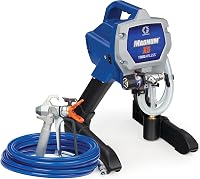
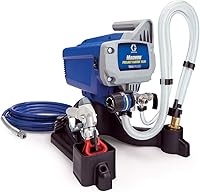
The Wagner Control Pro 130 HEA kit arrives with a HEA spray gun, a 25 ft hose, a 515 tip for latex paints and a 413 tip for stains. Its 1.5-gallon hopper holds enough material for big exterior jobs without constant refills.
Wagner says HEA technology cuts overspray by up to 55% versus traditional airless. That matters outside, where overspray drifts onto cars, plants and siding.
If you're new to pump setup, read our walkthrough on how to prime an airless paint sprayer first. Priming is the step most beginners rush, and it decides whether the first pass runs smooth or sputters.
How do you set up and prime the Wagner sprayer?
Fill the hopper with unthinned paint, switch the unit on, and hold the gun trigger until paint flows steadily from the tip. Point the gun into a waste bucket during this step, not at the wall.
Wagner's Power Tank design is gravity fed, so the pump draws material straight from the 1.5-gallon tank. That makes priming quick and keeps the process clean.
Here's the order that works:
- Stir the paint and pour it into the hopper, then set the spill-resistant lid.
- Attach the hose and gun, and lock the tip in the spray position.
- Turn the switch on and squeeze the trigger into a bucket.
- Release the trigger once paint runs steady with no air pockets.
- Lock the gun off and check for drips at the connections.
The Control Pro 130 has integrated handles and tip storage, and the gun and hose fit inside the tank for storage. That makes the setup and pack-down quicker between coats.
Which tip should you use for your coating?
Use the 515 tip for latex paints and the 413 tip for stains and thinner coatings. Match the tip to the material, because the wrong size either starves the spray or floods it.
The first number is the fan width and the second is the opening size. A 515 tip throws a 10-inch fan at the standard distance, which suits walls, siding and fences.
The 413 tip gives a narrower fan for stains on decks and trim.
If you own a Graco TrueCoat 360 instead, the tip kit swaps patterns without tools. It includes a wide and a narrow tip plus a color-matched inlet filter.
Wagner's kit covers the two common jobs already. Add another tip only if you move into a coating the included pair doesn't suit.
How do you set the pressure for a smooth finish?
Start at low pressure and raise it slowly until the spray pattern is fully atomized with no heavy edges or spitting. Use the least pressure the paint needs.
The Control Pro 130 tops out at 3300 psi. You rarely need that ceiling for latex on siding, and running wide open wastes paint and throws more overspray.
Spray a test pass on cardboard. A good pattern is even across the fan, with no thick stripes at the edges and no dry, dusty center.
If the edges look heavy, add pressure in small steps. If the coat looks thin and fuzzy, the tip may be too small or the paint too thick.
Wagner says the sprayer handles a wide range of unthinned paints and stains. Thinning is rarely needed, so adjust pressure and tip before you reach for water.
How do you spray a wall or fence evenly?
Hold the gun 10 to 12 inches from the surface, keep it square, and move at a steady speed in long, overlapping passes. Overlap each pass by about half a fan width.
Keep your wrist locked so the gun stays at the same angle. Swinging the gun in an arc puts more paint in the middle of each pass and less at the ends, which shows up as stripes.
Start the pass before the trigger, and release after the edge. Triggering on and off the surface causes buildup and runs.
Work in sections you can finish while the edge stays wet. On a fence, spray with the grain and keep the tip moving; on siding, follow the lap direction so water sheds correctly.
Our guide to paint sprayers for fences covers the tip and pattern choices for slats and pickets.
The 25 ft hose and 1.5-gallon tank let you reach a ladder and keep spraying without stopping. Wagner designed the stationary tank for big projects like houses, decks and garages.
How do you avoid runs and overspray?
Keep the gun moving, spray with unthinned paint as Wagner recommends, and mask anything you don't want painted. Runs come from holding the gun still or spraying too close.
Wagner's HEA system delivers a softer spray with more control, which helps on trim and edges. Even so, a wet coat applied too heavily will sag.
Practical habits that cut problems:
- Spray two thin coats rather than one heavy coat.
- Mask windows, lights and adjacent surfaces before you start.
- Move plants or cover them, since overspray still drifts.
- Stop when the surface looks wet but not glossy.
For smaller indoor touch-ups and furniture, a handheld option may suit better than a full airless pump. Compare choices in our roundup of the best paint sprayer for home use.
When is a handheld sprayer the better tool?
A handheld air-assisted gun suits furniture, cabinets, trim and small projects where a full airless setup is more machine than you need. It lays a fine coat without the hose and hopper.
The ScotchBlue Easy Clean gun runs off an air compressor of 6 gallons or more. It includes 3 nozzles and disposable cups, lids and liners, and it sprays water-based paints at any angle.
Cleanup is a twist-and-toss of the disposable parts.
Skip it for large exterior walls. An airless pump like the Control Pro 130 covers big areas faster and handles unthinned house paint.
How do you clean and store the Wagner sprayer?
Flush the pump, hose and gun with water right after you finish, then run clean water through until it comes out clear. Cleanup takes minutes while the paint is wet and hours once it dries.
Follow this order:
- Empty leftover paint from the hopper into its can.
- Pour clean water into the tank and run the pump with the tip removed.
- Flush until the water runs clear, then flush the hose and gun.
- Wipe the tip and gun, and store them in the built-in tip holder.
- Dry the parts and store the gun and hose inside the tank.
Wagner says the system cleans up with a simple flush and rinse. The spill-resistant lid also keeps paint clean and free of debris between coats.
Never store paint in the sprayer overnight. Dried paint in the tip or pump is the most common cause of a sprayer that won't start next season.
For the broader steps on a different Wagner model, see how to use wagner paint sprayer models.
What should you do when the spray pattern goes wrong?
Check the tip first, then the pressure, then the paint. Most pattern problems trace back to a clogged or worn tip.
A split or spitting pattern usually means a partly blocked tip. Release the trigger, lock the gun off, and clear the opening with the tip's reverse position or a soft tool.
Never poke it with wire.
If the spray fades or pulses, the inlet may be pulling air. Check that the hopper has enough material and that the lid sits tight.
Uneven coverage with a good pattern points to your technique, not the machine. Slow down, overlap more and keep the distance steady.
If the finish still looks thin, the tip may be worn and due for a swap.
What is the best first project for a new Wagner owner?
Start on a fence or a shed wall, not the front of the house. A flat surface with simple edges lets you learn the gun speed, overlap and pressure before you tackle trim and corners.
The Control Pro 130's 1.5-gallon tank and 25 ft hose handle a fence run without many refills. Its 413 tip also sprays stains for a deck, so the same machine covers both jobs.
Once the pattern looks even and the coat dries without runs, move to siding or interior walls. Keep the same habits: thin coats, steady speed and a wet edge.
The bottom line
Learning how to use a Wagner airless paint sprayer comes down to prime, tip, pressure and cleanup, in that order. Fill the hopper, prime until paint runs steady, match the tip to the coating and raise the pressure only as far as the pattern needs.
The Wagner Control Pro 130 HEA kit covers latex and stain work with its 515 and 413 tips, and its 1.5-gallon tank and 25 ft hose suit house and deck projects. For furniture and small trim, the ScotchBlue handheld gun is the lighter tool.
Whichever you pick, flush it the same day and store it dry.
Frequently asked questions
How much paint should I thin for a Wagner airless sprayer?
None for most latex paints and stains on a HEA model like the Control Pro 130. Wagner says the sprayer takes unthinned paints and stains.
If a coating is unusually thick, follow the paint maker's thinning directions and check the spray on cardboard first.
Can I leave paint in the Wagner sprayer overnight?
No. Flush and rinse the pump, hose and gun before you stop for the day, even if you plan to resume the next morning.
Paint left in the tip or hose dries hard and can clog the system or damage the pump.
How far should the spray gun be from the wall?
Hold the gun about 10 to 12 inches from the surface and keep that gap steady as you move. Too close floods the wall and causes runs, while too far creates a dry, dusty overspray that doesn't bond well.
What pressure should I set on a Wagner airless sprayer?
Start low and raise the pressure slowly until the spray pattern is fully atomized with no heavy edges. Use only as much pressure as the coating needs.
Running at maximum pressure wastes paint and increases overspray.