How to Spray a Deck With Stain, Step by Step
Clean and dry the deck, mask nearby surfaces, then spray stain in thin, even passes while keeping a wet edge. Back-brush as needed, follow the stain label for drying and recoating, and clean the sprayer right away.
On this page (10 sections)
- How do you spray a deck with stain step by step?
- What should you do before spraying stain on deck boards?
- Which sprayer works for deck stain?
- How do you set up the sprayer and test the pattern?
- How do you apply an even coat without puddles?
- How do you avoid overspray on a deck?
- When should you back-brush deck stain?
- How do you clean a stain sprayer afterward?
- What mistakes make a sprayed deck look uneven?
- How to spray a deck with stain successfully
To spray a deck with stain, clean and dry the boards, mask nearby surfaces, then apply thin, even passes while keeping a wet edge. Back-brush where needed, follow the stain label for coats and drying time, and clean the sprayer as soon as the job is done.
Spraying can cover open deck boards quickly, but it also sends stain beyond the wood if you don't control the pattern. Work in manageable sections, watch for wind, and keep a brush or pad ready to smooth overlaps.
How do you spray a deck with stain step by step?
Prepare the deck, test the spray, apply a light coat, and back-brush before the stain sets. Follow both the stain label and sprayer manual, since compatible materials and cleaning steps vary.
- Check the weather and choose a calm, dry period that fits the stain's directions.
- Clear the deck and protect siding, plants, railings, and nearby surfaces.
- Clean the wood and let it dry fully.
- Stir the stain as directed, then test the spray pattern on scrap wood or cardboard.
- Spray one small section at a time using steady, overlapping passes.
- Back-brush if needed to even out the coat and work stain into grooves.
- Let the coat dry as directed, then apply another only if the label calls for it.
- Clean the sprayer and tools promptly using the method recommended for the stain.
Avoid starting until the boards are dry and the forecast suits the coating. Damp wood or unexpected rain can interfere with the finish.
What should you do before spraying stain on deck boards?
Remove dirt, loose finish, and anything that could block an even coat. Sweep first, then clean the surface with a method suited to the existing finish and wood.
Move furniture, planters, and grills away from the work area. Cover siding, glass, concrete, and plants that could catch overspray, and keep the masking secure.
Check whether the deck has an old coating that needs to be removed or prepared differently. If you're unsure, test the stain and sprayer setup on a hidden area or spare board before covering the deck.
How dry should a deck be before staining?
Use the stain label's drying guidance for the wood and weather conditions. A deck can look dry on top while moisture remains in cracks or shaded areas.
Don't guess based on a quick surface touch. Wait longer after rain or washing, especially where boards meet or sit in shade.
Which sprayer works for deck stain?
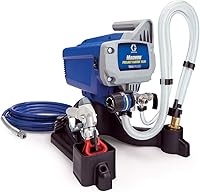
Choose a sprayer that the stain and project size can support. An HVLP stain sprayer may fit a smaller deck, while a larger airless unit may be more practical for a broad deck and other outdoor work.
The Wagner Control Spray QX2 is designed for transparent and semi-transparent stains and small to medium outdoor projects. It has adjustable material flow and horizontal, vertical, and round spray patterns.
This may suit you if control and a simpler setup matter more than covering a large area in one go. Compare other options in our guide to sprayers for outdoor painting jobs.
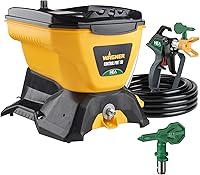
For a larger deck, the Wagner Control Pro 130 HEA includes a 1.5 gallon tank, a 25 ft. hose, and a 413 tip for stain. Wagner says its HEA system reduces overspray by up to 55% compared with traditional airless sprayers.
It may fit a broad deck or a project that also includes fences or a shed. Review whether a paint sprayer can spray stain before choosing a setup.
The Graco TrueCoat 360 Drill-Powered sprayer is intended for projects up to 2 gallons and uses a compatible drill or driver. Its package includes paint and stain tips and FlexLiner bags.
Consider it if you already have a compatible drill and want a small project sprayer. Check its instructions and the stain label for fit before filling it.
For more choices, see paint sprayers for fences and sheds. That guide can help if the deck is part of a wider outdoor staining or painting job.
How do you set up the sprayer and test the pattern?
Load the sprayer according to its manual and test on scrap material before aiming at the deck. A test helps you adjust flow and distance without leaving a heavy stripe on a board.
Use the stain's preparation instructions. Don't thin it unless both the stain maker and sprayer instructions allow it.
Start with a light, even pass and change one setting at a time if the pattern looks uneven. Keep the nozzle moving as you begin and end each pass to avoid a heavy spot.
How do you apply an even coat without puddles?
Keep the sprayer moving at a steady pace and overlap each pass slightly. Work along the board direction and finish one manageable section before the edges begin to dry.
Hold the sprayer at a consistent distance, based on its instructions, and avoid stopping over one spot. If stain gathers between boards or along edges, spread it with a brush before it dries.
Don't try to make one heavy coat do all the work. Thin application is easier to control, and the label determines whether another coat is needed.
Should you spray between deck boards?
Spray between boards only if the stain instructions and setup make it controllable. Gaps can send stain onto joists, patios, or anything below the deck.
Shield the area underneath and use short, careful passes. A brush may be easier for tight gaps or small sections where overspray would be hard to contain.
How do you avoid overspray on a deck?
Mask surfaces around the deck and stop if wind carries the spray off target. Keep the spray aimed at the wood and use only the pattern and pressure recommended for the sprayer.
Cover siding, doors, windows, railings, plants, and nearby pavement. Move vehicles and outdoor items farther away when possible, and keep people and pets clear of the work area.
Wear the protective gear specified by the stain and sprayer makers. Don't spray toward open windows or air intakes.
When should you back-brush deck stain?
Back-brush while the stain is still workable if the label recommends it or the coat looks uneven. A brush can smooth overlaps and help distribute stain across grooves and textured boards.
Keep a clean brush nearby and use long strokes with the grain. Wipe off excess instead of leaving pools of stain at board ends or in corners.
Don't keep brushing once the coating begins to set. Follow the label's recoat and drying instructions instead of trying to fix a tacky surface with another pass.
How do you clean a stain sprayer afterward?
Clean the sprayer immediately using the instructions for the stain and sprayer. Leaving stain in the system can make cleanup harder and interfere with later use.
Empty leftover material as directed, then flush and rinse the parts that contact the stain. Use only cleaners approved for the coating and equipment.
The QX2 has a minimal-parts design intended for easier cleanup. The Control Pro 130 is gravity fed, which Wagner describes as supporting fast priming and cleaning.
If you're using an airless unit, see how to clean an airless sprayer after latex paint. Stain cleanup may differ, so use the coating and sprayer instructions for the method.
What mistakes make a sprayed deck look uneven?
The most common causes are wet wood, inconsistent passes, heavy application, and missed cleanup. Slow down enough to watch each section before moving on.
- Spraying over dirt or loose finish
- Starting before the wood is dry
- Holding the sprayer still at the start or end of a pass
- Applying extra stain that the label doesn't call for
- Letting puddles dry in gaps or at board ends
- Spraying in wind that carries stain off the deck
- Skipping prompt sprayer cleanup
If the finish looks patchy, check the stain label before trying to add another coat. More stain may make the surface tacky or darker than intended.
How to spray a deck with stain successfully
For a small or medium deck, choose an HVLP stain sprayer if its approved materials match your stain. For a larger deck, consider a tank-fed airless model, then account for masking and cleanup time.
Clean and dry the boards, test the pattern, and apply thin passes in sections. Keep a brush ready to smooth the finish and follow the stain label for coats and drying.
If your project extends to a fence, use the steps in how to paint a fence with a sprayer. For stain-specific setup, start with can you spray stain with a paint sprayer.
Frequently asked questions
Can you spray stain on a deck?
Yes, many deck stains can be sprayed, but check the stain label and sprayer instructions for compatibility. Clean and dry the wood, test the spray pattern on scrap material, and apply a thin, even coat.
Back-brush if the stain label or wood surface calls for it.
Should I back-brush deck stain after spraying?
Back-brushing can help spread stain into gaps and even out areas where spray overlaps, especially on textured or grooved boards. Follow the stain maker's directions and use a brush suited to the coating.
Wipe up puddles instead of letting excess stain sit on the surface.
How many coats of stain should I spray on a deck?
The stain label sets the number of coats and the time between them. Some products call for one coat, while others allow a second coat after a stated wait.
Don't add extra coats just to deepen the color, since too much stain can leave a tacky or uneven surface.
What is the best sprayer for deck stain?
For a small or medium deck, an HVLP stain sprayer designed for transparent and semi-transparent stains can be a practical fit. A larger airless unit may suit a broad deck or other big outdoor jobs.
Match the sprayer to the stain, deck size, and cleanup you can manage.