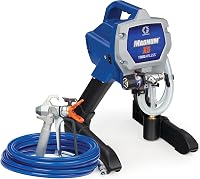
How to Use a Graco Magnum Project Painter Plus
To use a Graco Magnum Project Painter Plus, set it on a steady surface, connect the hose and gun, prime the pump with paint, and spray a test pattern before starting the wall. Adjust pressure at the pump, keep the gun moving, and flush the system with water or solvent before storage.
On this page (8 sections)
- How do you set up the Graco Magnum Project Painter Plus before spraying?
- How do you prime the pump and load paint?
- How do you set pressure and test the spray pattern?
- How do you spray a wall, fence or deck evenly?
- How do you clean and store the sprayer after a job?
- What are the most common mistakes with this sprayer?
- How does the Project Painter Plus compare with larger Magnum sprayers?
- What should you do before your first spray?
To use a Graco Magnum Project Painter Plus, set it on a steady surface, connect the hose and gun, prime the pump with paint, and spray a test pattern before you touch the wall. Adjust pressure at the pump, keep the gun moving, and flush the whole system with water or solvent before storage.
The steps below cover each part of using this airless sprayer on decks, fences, ceilings and sheds. The Project Painter Plus is a DIY airless sprayer for projects up to 5 gallons in size.
Graco builds it with fully adjustable pressure control and a flexible suction tube that draws paint straight from a 1 or 5 gallon bucket. The kit includes an SG2 metal spray gun, a TrueAirless 515 spray tip, a tip guard, a 1/4 inch by 25 ft DuraFlex hose and 8 oz of Pump Armor storage fluid.
How do you set up the Graco Magnum Project Painter Plus before spraying?
Place the sprayer on a level surface, attach the hose and gun, and check every connection before adding paint. A loose fitting leaks under pressure and wastes material, so tighten each one by hand and then snug it.
Set the sprayer where its cord reaches an outlet and its suction tube reaches your paint bucket without stretching. Thread the DuraFlex hose onto the pump outlet and the gun onto the other end, then screw on the tip guard and fit the 515 tip.
Keep a wrench handy for the tip nut and the hose fittings. If you plan a long run, the sprayer supports up to 50 ft of hose, so you can add length to reach a second story or a peak without losing pressure.
How do you prime the pump and load paint?
Drop the suction tube into the paint, turn the pressure down, and let the pump pull material up to the gun. Priming fills the hose so the first pull of the trigger sprays paint, not air.
- Stir the paint in its bucket and set the bucket beside the sprayer.
- Lower the flexible suction tube into the paint, keeping the inlet off the bottom sediment.
- Turn the pressure control to its lowest setting and switch the pump on.
- Hold the gun over a waste bucket and pull the trigger until paint flows steadily.
- Lock the gun safety and check the hose for leaks.
The Project Painter Plus sprays paints and stains unthinned at any pressure, so you don't need to water down latex. If a material is unusually thick, a small amount of thinning per the can directions helps the pump draw it.
How do you set pressure and test the spray pattern?
Begin at low pressure and raise it in small steps until the coat is even and wet without runs. The fully adjustable pressure control gives you that range, so let the pattern tell you where to stop.
Spray a test pass on scrap board or cardboard held at the same distance you'll use on the wall. A good pattern is an even fan with soft edges.
Too little pressure leaves a thick, blotchy stripe; too much throws heavy overspray and mist.
Keep the gun about 10 to 12 inches from the surface and move it at a steady speed, overlapping each pass by about half a fan width. Start the stroke before the trigger and release it after the stroke ends so you don't build up paint at the edges.
What does the 515 tip spray best?
The 515 tip is a general-purpose size for latex paint, primer and stain on fences, decks, sheds and ceilings. The first number is the fan width in inches and the last two are the opening size in thousandths, so a 515 lays a 10 inch fan.
Use a smaller tip for thinner materials and a larger one for thick exterior paint. Match the tip to the material and the surface, and swap tips with the system depressurized.
For finer control on trim and small areas, a different tip size does more than changing pressure alone.
How do you spray a wall, fence or deck evenly?
Work in a steady rhythm with the gun parallel to the surface and the trigger pulled only during the stroke. Even speed and distance do more for a smooth finish than any pressure setting.
Spray horizontal passes on a fence or deck and vertical passes on a wall. Keep the gun moving at all times; holding it still in one spot leaves a run.
Work from the top down on vertical surfaces so drips fall onto fresh paint.
Mask windows, outlets, plants and anything you don't want coated. Move people and pets out of the spray zone and wear a respirator, eye protection and covering clothes.
For a bigger exterior job, see our guide to the best paint sprayer for an exterior house to match the machine to the wall area.
How do you clean and store the sprayer after a job?
Flush the pump, hose and gun with the right liquid as soon as you finish, then run Pump Armor through the system for storage. Dried paint inside the pump is the most common reason a sprayer stops working.
For latex paint, flush with warm water. For oil-based paint, use the solvent the can recommends.
The kit includes a PowerFlush adapter that connects a garden hose to the pump for faster cleaning. Run clean liquid through until it comes out clear, then spray a little through the gun with the tip removed.
Finish by running the 8 oz of Pump Armor storage fluid through the pump. It protects the pump parts between jobs.
Store the sprayer indoors where it won't freeze. Wipe the gun and tip, and keep the tip in its case so it doesn't get nicked.
Where does the TrueCoat 360 Spray Tip Kit fit?
The TrueCoat 360 Spray Tip Kit is for TrueCoat 360 models 26D280, 26D281 and 26D283, so it doesn't fit the Project Painter Plus. It includes a wide and a narrow tip plus a color-matched inlet filter.
The reversible tips clear clogs by twisting and spraying in reverse.
Skip it for this sprayer and use the TrueAirless tips that fit the Magnum gun. It's a useful add-on only if you also own a TrueCoat 360 for smaller jobs.
For help choosing between the Magnum models, our Graco Project Painter Plus vs X5 comparison walks through the differences.
What are the most common mistakes with this sprayer?
Most problems come from skipped priming, wrong pressure and delayed cleaning. Fix those three and the sprayer runs smoothly on most home projects.
Skipping the prime leaves air in the hose and a sputtering fan. Running pressure too high wastes paint and fogs the air.
Letting paint dry in the pump or tip before flushing is the costliest mistake, since a clogged pump needs a rebuild.
Other traps include spraying too close, moving the gun in arcs instead of straight passes, and forgetting to strain old paint. Keep the suction tube off the bucket bottom so sediment doesn't reach the tip.
Depressurize the system before you change the tip or loosen the hose.
How does the Project Painter Plus compare with larger Magnum sprayers?
The Project Painter Plus suits projects up to 5 gallons, while larger Magnum models handle bigger jobs and longer hose runs. Pick the sprayer that matches your yearly workload, not the biggest machine on the shelf.
The Project Painter Plus weighs 15 pounds and reaches up to 3000 psi. It's built for DIYers who spray a deck, fence, shed or ceiling now and then.
A step up adds capacity for bigger exteriors.
Our Graco Magnum X7 review covers a cart model for larger jobs, and the Magnum X5 vs X7 comparison helps you pick between those two. Choose the Project Painter Plus if your projects are occasional and up to 5 gallons.
Move up if you plan to spray a whole house exterior or run long hose lengths often. Graco backs this model with a 1 year limited warranty.
What should you do before your first spray?
Do a dry run first: connect everything, prime with water, and spray a test board before you load paint. That rehearsal catches loose fittings and wrong pressure settings without wasting paint.
Once the setup is right, follow the order for using the Graco Magnum Project Painter Plus: set up and tighten the fittings, prime with paint from the bucket, adjust pressure on a test board, spray in steady passes, then flush and store with Pump Armor. Keep the tip clean, store the unit indoors, and the sprayer will be ready for the next deck or fence.
Frequently asked questions
How much paint can the Graco Magnum Project Painter Plus handle?
Graco says the Project Painter Plus suits projects up to 5 gallons in size. That covers a deck, a fence, a shed or a room, but a whole house exterior calls for a larger sprayer with a longer-duty pump.
Can you spray straight from a paint bucket with this sprayer?
Yes. The flexible suction tube lets you draw paint directly from a 1 or 5 gallon bucket, so you don't need to pour paint into a separate hopper.
Keep the bucket level and the tube off the bottom so it doesn't pull in sediment.
What pressure should I set on the Graco Project Painter Plus?
Start at a low setting and raise it until the paint lays down an even coat without heavy overspray or runs. The fully adjustable pressure control lets you spray unthinned paint or stain at the pressure that works for your material.
How do you clean the Graco Magnum Project Painter Plus after spraying?
Flush the pump, hose and gun with water for latex or the right solvent for oil-based paint, then run the supplied Pump Armor storage fluid through the system. Cleaning right after the job keeps paint from drying inside the pump and tip.
How far can you run the hose on this sprayer?
Graco says the Project Painter Plus supports up to 50 ft of paint hose, so you can reach peaks or a second story without losing performance. The included hose is 1/4 inch by 25 ft.